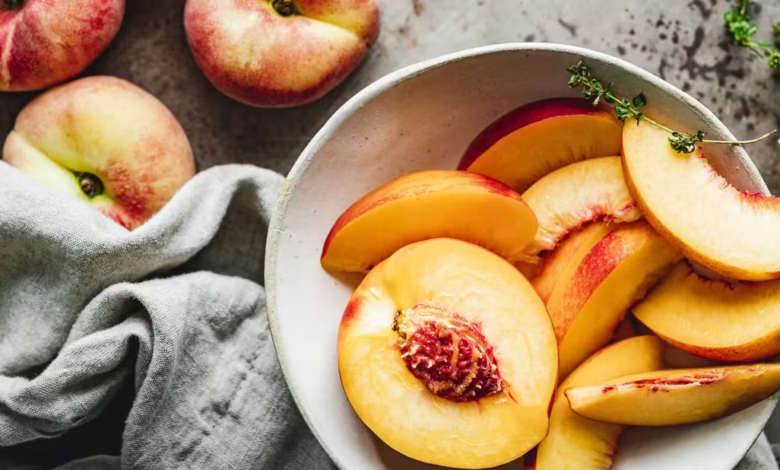
Nectarine is a delicious and nutritious stone fruit that has earned a special place in kitchens and fruit baskets around the world. Known for its smooth skin, juicy flesh, and naturally sweet flavor, the nectarine is often compared to the peach. While the two fruits are closely related, nectarines have unique characteristics that make them a favorite among fruit lovers. Whether eaten fresh, blended into smoothies, baked into desserts, or added to salads, nectarines offer both exceptional taste and impressive nutritional value.
As health-conscious consumers seek natural and nutrient-rich foods, nectarines continue to gain popularity. Packed with vitamins, minerals, antioxidants, and dietary fiber, this vibrant fruit supports overall wellness while satisfying sweet cravings. Its refreshing flavor and versatility make it a staple during summer months when fresh Nectarine are widely available in markets and grocery stores.
Beyond their culinary appeal, nectarines have a fascinating history and agricultural significance. They are cultivated in many regions across the world and play an important role in both commercial farming and home gardening. This comprehensive guide explores everything you need to know about nectarines, including their nutritional profile, health benefits, varieties, storage methods, growing requirements, and creative ways to enjoy them.
Understanding Nectarines
A nectarine is a member of the stone fruit family, scientifically classified as Prunus persica. Although many people believe nectarines and peaches are different species, nectarines are actually a natural genetic variation of peaches. The most noticeable difference is the nectarine’s smooth skin, which lacks the fuzzy texture commonly associated with peaches. This smooth exterior gives nectarines a sleek appearance and makes them especially appealing to those who prefer fruit without fuzz.
Nectarines are believed to have originated thousands of years ago in China, where peaches were first cultivated. Over time, nectarines spread to Persia, Europe, and eventually the Americas through trade and exploration. Today, they are grown in many countries with warm climates and are valued for their sweet taste and attractive appearance.
The fruit typically has yellow, orange, red, or white flesh depending on the variety. Its flavor ranges from mildly sweet to richly aromatic, with a balance of sweetness and acidity that makes it refreshing and enjoyable. Nectarines are available in both freestone and clingstone varieties, referring to how easily the flesh separates from the pit.
Thanks to their nutritional value, versatility, and appealing flavor, nectarines have become one of the most beloved summer fruits worldwide. They continue to be enjoyed fresh and incorporated into countless recipes across different cuisines.
Nutritional Value of Nectarines
One of the main reasons nectarines are considered a healthy food is their impressive nutritional profile. Despite being naturally sweet, nectarines are relatively low in calories, making them an excellent option for people seeking nutritious snacks. A medium-sized nectarine typically contains fewer than 70 calories while providing essential vitamins and minerals.
Nectarines are an excellent source of vitamin C, a nutrient that supports immune function and helps protect cells from oxidative stress. Vitamin C also plays a key role in collagen production, which is important for maintaining healthy skin, blood vessels, and connective tissues. Additionally, nectarines provide vitamin A, which contributes to eye health, skin maintenance, and proper immune function.
The fruit contains dietary fiber, which supports digestive health and helps maintain feelings of fullness. Fiber can contribute to healthy digestion by promoting regular bowel movements and supporting beneficial gut bacteria. This makes nectarines a smart choice for individuals looking to improve digestive wellness naturally.
In addition to vitamins and fiber, nectarines contain antioxidants such as carotenoids and polyphenols. These compounds help combat free radicals, reducing cellular damage and potentially lowering the risk of chronic diseases. The combination of nutrients found in nectarines makes them a valuable addition to a balanced and healthy diet.
Health Benefits of Nectarines
Nectarines offer numerous health benefits that extend beyond their delicious flavor. One of their most notable advantages is their ability to support immune health. Thanks to their vitamin C content and antioxidant compounds, nectarines help strengthen the body’s natural defenses and contribute to overall wellness.
Heart health is another area where nectarines may provide benefits. The fruit contains potassium, a mineral that helps regulate blood pressure and supports proper cardiovascular function. Combined with fiber and antioxidants, potassium contributes to a heart-friendly nutritional profile that may help reduce certain risk factors associated with cardiovascular disease.
The fiber content in nectarines supports digestive health by promoting healthy bowel movements and reducing digestive discomfort. Fiber also helps regulate appetite, making nectarines a satisfying snack option for people managing their weight. Since nectarines are naturally low in calories and rich in water, they can support healthy eating habits without excessive calorie intake.
Nectarines may also benefit skin and eye health. Vitamin A and antioxidant compounds contribute to healthy skin appearance and protection against environmental damage. Meanwhile, carotenoids found in nectarines support eye function and may help protect vision as people age. These combined benefits make nectarines a valuable fruit for maintaining long-term health and vitality.
Types of Nectarines and How to Choose Them
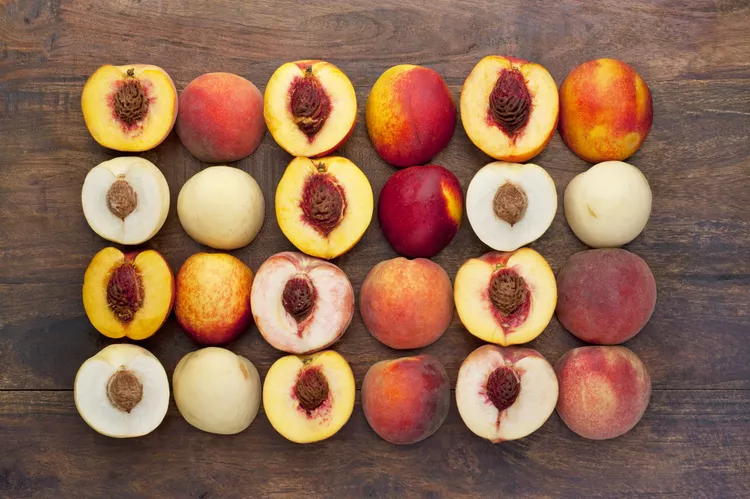
Nectarines are available in several varieties, each offering distinct characteristics. The two primary categories are white nectarines and yellow nectarines. White nectarines generally have lower acidity and a sweeter flavor, while yellow nectarines offer a more balanced combination of sweetness and tartness. Both varieties are highly nutritious and suitable for a wide range of culinary uses.
Another important distinction is between freestone and clingstone nectarines. Freestone nectarines have flesh that separates easily from the pit, making them ideal for slicing, baking, and preparing recipes. Clingstone nectarines have flesh that adheres closely to the pit, often resulting in a juicier texture that many people enjoy when eating fresh fruit.
When selecting nectarines, look for fruits with vibrant color and a pleasant aroma. A ripe nectarine should yield slightly when gently pressed but should not feel overly soft or mushy. Avoid fruits with large bruises, wrinkles, or signs of decay, as these may indicate over-ripeness.
Proper selection ensures the best flavor and texture. Choosing ripe, high-quality nectarines allows consumers to fully enjoy the fruit’s natural sweetness and nutritional benefits.
Cooking, Eating, and Using Nectarines
One of the greatest strengths of nectarines is their versatility in the kitchen. Fresh nectarines make an excellent snack and can be enjoyed on their own with minimal preparation. Their juicy texture and sweet flavor also make them a popular ingredient in fruit salads, breakfast bowls, and smoothies.
In baking, nectarines shine in pies, cobblers, tarts, and cakes. Their natural sweetness intensifies during cooking, creating rich flavors that complement spices such as cinnamon, nutmeg, and vanilla. Grilled nectarines are another popular option, offering a caramelized flavor that pairs well with yogurt, ice cream, or savory dishes.
Nectarines can also be incorporated into salads, sauces, and savory meals. Their sweetness provides a refreshing contrast to ingredients such as leafy greens, cheese, nuts, and grilled meats. This versatility allows home cooks to experiment with creative recipes while benefiting from the fruit’s nutritional value.
Preserving nectarines through jams, jellies, and freezing methods extends their usability beyond the summer season. Whether enjoyed fresh or incorporated into complex recipes, nectarines provide flavor, nutrition, and culinary flexibility.
Growing Nectarines at Home
Growing nectarines at home can be a rewarding experience for gardeners. Nectarine trees thrive in regions with warm summers and sufficient sunlight. They require well-drained soil and consistent care to produce healthy fruit. Selecting a suitable planting location is one of the most important factors in successful cultivation.
Proper watering and fertilization support healthy tree development. Young trees require regular watering, while mature trees benefit from deep watering during dry periods. Balanced fertilization provides nutrients necessary for fruit production and overall tree health.
Pruning is another essential maintenance practice. Regular pruning improves air circulation, encourages strong branch growth, and enhances fruit quality. It also helps reduce the risk of disease and makes harvesting easier.
With proper care, nectarine trees can produce abundant harvests for many years. Home gardeners often appreciate the opportunity to enjoy freshly picked fruit while gaining a deeper understanding of the growing process.
Conclusion
Nectarine is much more than a sweet summer fruit. It is a nutrient-rich food packed with vitamins, minerals, antioxidants, and fiber that support overall health and wellness. From promoting heart health and digestion to enhancing skin and eye health, nectarines provide a wide range of benefits in a delicious package.
Their versatility makes them suitable for countless culinary applications, from fresh snacks and smoothies to baked desserts and savory dishes. Whether purchased from a market or harvested from a backyard tree, nectarines offer exceptional flavor and nutritional value.
As awareness of healthy eating continues to grow, nectarines remain a popular choice for individuals seeking wholesome, natural foods. Including nectarines in a balanced diet is a simple and enjoyable way to support long-term health while savoring one of nature’s most delightful fruits.
FAQs
What is a nectarine?
A nectarine is a smooth-skinned variety of peach belonging to the stone fruit family.
Are nectarines healthy?
Yes, nectarines are rich in vitamins, minerals, antioxidants, and dietary fiber.
What is the difference between a nectarine and a peach?
The primary difference is that nectarines have smooth skin, while peaches have fuzzy skin.
Can nectarines help with weight management?
Yes, they are low in calories, high in water content, and contain fiber that promotes fullness.
When are nectarines in season?
Nectarines are typically available during late spring and summer, depending on the growing region.
Should nectarines be refrigerated?
Ripe nectarines can be refrigerated to extend freshness, while unripe fruits are best kept at room temperature.
Can you eat nectarine skin?
Yes, nectarine skin is edible and contains beneficial nutrients and antioxidants.
What nutrients are found in nectarines?
Nectarines contain vitamin C, vitamin A, potassium, fiber, and various antioxidants.
How do you know if a nectarine is ripe?
A ripe nectarine feels slightly soft when gently pressed and has a sweet aroma.
Can nectarines be frozen?
Yes, nectarines can be sliced and frozen for later use in smoothies, desserts, and recipes.
You May Also Read: New Year’s Day