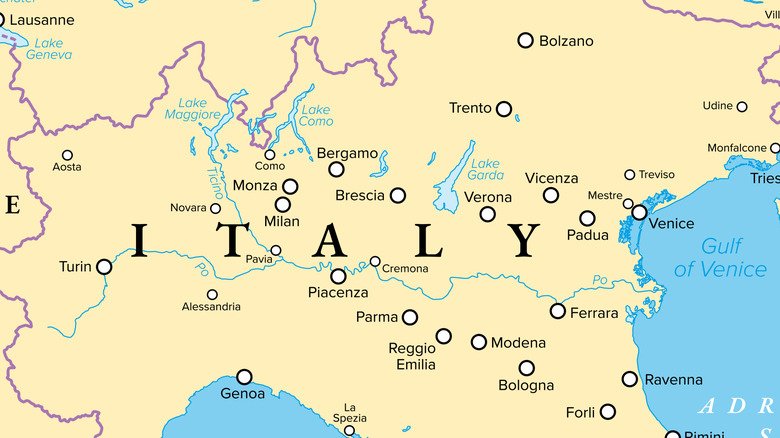
A Map of Italy is more than a simple geographic representation of a European nation. It is a gateway to understanding one of the world’s most historically significant, culturally rich, and geographically diverse countries. Italy has captivated travelers, scholars, and explorers for centuries with its stunning landscapes, iconic cities, artistic heritage, and remarkable history. Whether you are planning a vacation, studying European geography, or researching Italy’s regions, a detailed map serves as an essential tool for exploration and learning.
Italy occupies a strategic position in Southern Europe and extends into the Mediterranean Sea in its famous boot-shaped form. The country’s unique geography has influenced everything from ancient Roman expansion to modern tourism and trade. A Map of Italy reveals the relationships between regions, cities, mountain ranges, coastlines, and islands, helping users understand how geography has shaped Italian culture and development.
Modern maps of Italy come in many forms, including political maps, physical maps, road maps, tourist maps, and interactive digital versions. Each type provides valuable insights depending on the user’s needs. By examining Italy through maps, readers gain a deeper appreciation for its diversity, regional identities, and global significance. This comprehensive guide explores the major features, regions, cities, landmarks, and geographic characteristics found on the map of Italy.
Understanding the Map of Italy
Italy is officially known as the Italian Republic and is located in Southern Europe. When viewed on a map, the country is instantly recognizable because of its distinctive boot-like shape extending into the Mediterranean Sea. Italy shares land borders with France, Switzerland, Austria, and Slovenia, while its coastlines touch the Adriatic Sea, Tyrrhenian Sea, Ionian Sea, and Ligurian Sea. This strategic location has made Italy an important center of trade, culture, and political influence throughout history.
A map of Italy provides a visual framework for understanding the nation’s administrative divisions, natural features, transportation systems, and population centers. It helps users identify how the country’s twenty regions are organized and how major cities connect through extensive transportation networks. Whether used for education or travel planning, maps simplify complex geographic information and make it accessible to everyone.
Italy’s geography is incredibly diverse. Northern Italy contains the majestic Alps, while the Apennine Mountains stretch down the center of the peninsula like a spine. Vast plains, fertile valleys, rolling hills, scenic coastlines, and volcanic landscapes contribute to the country’s varied terrain. Understanding these geographic elements is essential for appreciating Italy’s economic activities, cultural traditions, and tourism industry.
Maps also help distinguish between Italy’s regional identities. Each region has unique characteristics, traditions, cuisines, and attractions. From the fashion capital of Milan to the ancient streets of Rome and the coastal beauty of Sicily, the map of Italy showcases a nation rich in diversity and opportunity.
Italy’s Regions and Administrative Structure
One of the most important features displayed on a map of Italy is its administrative structure. The country is divided into twenty regions, each with its own government, cultural identity, and historical significance. These regions are often grouped into Northern Italy, Central Italy, Southern Italy, and the island regions of Sicily and Sardinia.
Northern Italy includes economically powerful regions such as Lombardy, Veneto, Piedmont, and Emilia-Romagna. These areas are known for manufacturing, finance, innovation, and tourism. Milan, located in Lombardy, serves as Italy’s financial center and one of Europe’s leading fashion capitals. Maps of Northern Italy often highlight major transportation corridors that connect Italy with the rest of Europe.
Central Italy includes Tuscany, Lazio, Marche, and Umbria. This region is famous for its artistic heritage, medieval towns, and historical landmarks. Rome, the capital city located in Lazio, occupies a central position on most maps and serves as Italy’s political and cultural heart. Tuscany, meanwhile, is renowned for its picturesque countryside, vineyards, and Renaissance history.
Southern Italy and the island regions present a different geographic and cultural landscape. Campania, Calabria, Apulia, Sicily, and Sardinia feature beautiful coastlines, ancient ruins, and unique traditions. These regions play a major role in tourism and agriculture. A detailed map of Italy reveals how these diverse regions contribute to the nation’s overall character and economic strength.
Major Cities on the Map of Italy
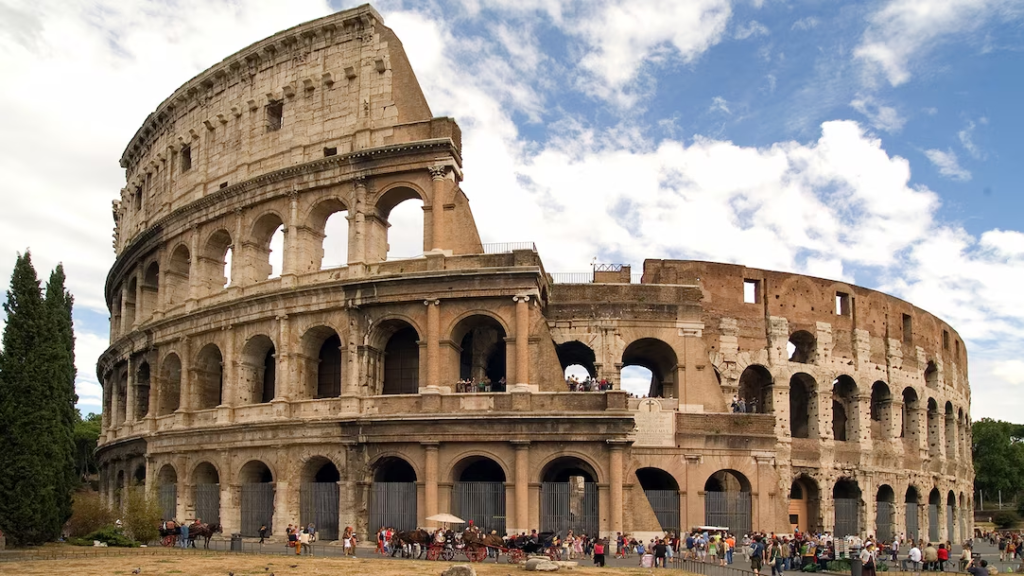
Italy’s cities are among its greatest treasures, and maps help visitors understand their locations and importance. Rome, the capital city, sits in central Italy and serves as a symbol of the nation’s history and influence. Once the center of the Roman Empire, Rome continues to attract millions of visitors annually with attractions such as the Colosseum, Roman Forum, and Vatican City.
Milan occupies a strategic position in Northern Italy and is recognized globally for fashion, finance, and innovation. As one of Europe’s leading economic centers, Milan plays a vital role in Italy’s economy. Maps frequently identify Milan as a major transportation hub connecting Italy with neighboring countries and international markets.
Venice, Florence, Naples, Turin, Bologna, and Palermo are other significant cities commonly featured on maps of Italy. Venice is famous for its canals and unique architecture, while Florence is celebrated as the birthplace of the Renaissance. Naples offers rich cultural traditions and serves as a gateway to Mount Vesuvius and Pompeii.
Each city contributes to Italy’s identity in distinct ways. By studying their locations on a map, travelers and students gain a better understanding of Italy’s regional diversity, economic structure, and historical development. These urban centers also serve as key destinations for tourism, education, and business activities.
Physical Geography of Italy
A physical map of Italy reveals some of Europe’s most impressive natural features. The Alps dominate the northern border, creating a dramatic mountain landscape that separates Italy from neighboring countries. These mountains influence climate patterns, tourism, and transportation routes while providing opportunities for skiing, hiking, and outdoor recreation.
Running through the center of the country are the Apennine Mountains, often referred to as the backbone of Italy. This mountain chain stretches from the north to the southern tip of the peninsula, influencing settlement patterns and regional development. Many small towns and villages are nestled within these scenic highlands.
Italy is also home to several famous volcanoes. Mount Etna in Sicily is one of the most active volcanoes in the world, while Mount Vesuvius near Naples remains historically significant due to its eruption that destroyed Pompeii in 79 CE. Stromboli, another active volcano, contributes to Italy’s unique geological landscape.
The country’s rivers and lakes are equally important. The Po River flows through Northern Italy and supports agriculture and industry. Major lakes such as Lake Como, Lake Garda, and Lake Maggiore attract tourists from around the world. Together, these natural features make Italy one of Europe’s most geographically diverse nations.
Tourist Attractions and Travel Planning
A tourist map of Italy highlights some of the world’s most iconic landmarks and destinations. Historical attractions such as the Colosseum, Leaning Tower of Pisa, Pompeii, and the Roman Forum draw millions of visitors every year. These sites offer insights into Italy’s rich history and enduring influence on global civilization.
Religious landmarks also occupy prominent positions on many maps. Vatican City, located within Rome, is the spiritual center of the Roman Catholic Church. St. Peter’s Basilica and the Sistine Chapel attract pilgrims and tourists from every corner of the globe.
Natural attractions are equally significant. The Amalfi Coast, Cinque Terre, Dolomites, and Lake Como showcase Italy’s breathtaking scenery. Coastal villages, mountain landscapes, and picturesque lakes provide endless opportunities for exploration and photography.
For travelers, a map of Italy is an invaluable planning tool. It helps determine routes, estimate travel times, identify nearby attractions, and understand regional differences. Whether exploring major cities or hidden villages, maps enhance the travel experience and encourage deeper engagement with Italy’s culture and geography.
Conclusion
A Map of Italy serves as an essential resource for understanding the country’s geography, history, culture, and regional diversity. From the snow-covered Alps in the north to the sun-drenched shores of Sicily in the south, Italy offers an extraordinary range of landscapes and experiences.
Maps reveal the relationships between cities, regions, transportation systems, and natural features, helping travelers, students, and researchers gain valuable insights into one of Europe’s most fascinating countries. They transform complex geographic information into accessible visual knowledge that supports education, exploration, and decision-making.
As digital technologies continue to improve mapping capabilities, understanding Italy through maps becomes even more engaging and informative. Whether planning a vacation, studying geography, or simply satisfying curiosity, a detailed map of Italy remains one of the best ways to discover the beauty and complexity of this remarkable nation.
FAQs
What is a map of Italy?
A map of Italy is a geographic representation showing the country’s regions, cities, roads, mountains, rivers, and landmarks.
How many regions are shown on a map of Italy?
Italy consists of 20 administrative regions.
What is the capital of Italy?
Rome is the capital and largest city of Italy.
What countries border Italy?
Italy shares borders with France, Switzerland, Austria, and Slovenia.
Why is Italy called the boot-shaped country?
Its peninsula resembles the shape of a boot when viewed on a map.
What are the major cities on a map of Italy?
Major cities include Rome, Milan, Venice, Florence, Naples, Turin, Bologna, and Palermo.
What are Italy’s main mountain ranges?
The Alps and the Apennines are the country’s primary mountain systems.
Which seas surround Italy?
Italy is bordered by the Adriatic, Tyrrhenian, Ionian, and Ligurian Seas.
What are Italy’s largest islands?
Sicily and Sardinia are the two largest islands shown on maps of Italy.
How can a map of Italy help travelers?
It assists with route planning, destination selection, navigation, and understanding regional attractions.
You May Also Read: Map of UK