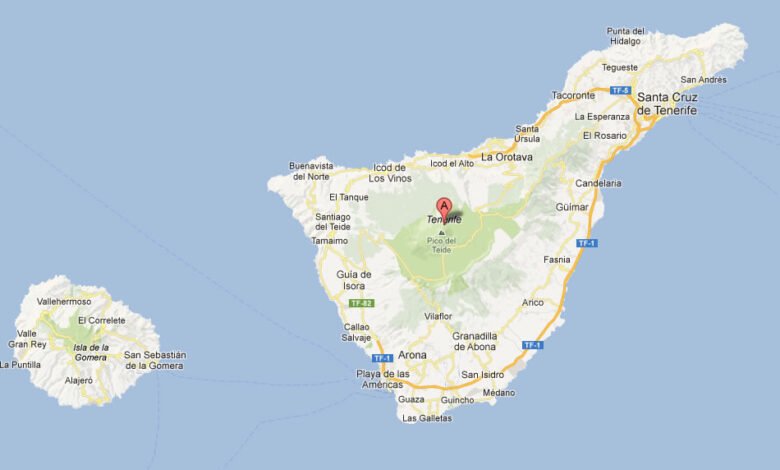
Understanding Tenerife on Map is the first step to unlocking one of Europe’s most diverse and visually stunning island destinations. Tenerife is the largest island in the Canary Islands, a Spanish archipelago located in the Atlantic Ocean. When viewed on a map, it appears as a striking volcanic landmass positioned near the northwest coast of Africa, yet politically and culturally part of Spain. This unique geographical identity makes Tenerife On Map a fascinating destination for travelers seeking both European comfort and subtropical landscapes.
A map of Tenerife is not just a navigation tool—it is a gateway to understanding the island’s structure, attractions, and lifestyle. From bustling coastal resorts in the south to lush green valleys and historic towns in the north, Tenerife On Map offers an incredible variety of experiences within a relatively small area. Whether you are planning a beach holiday, a hiking adventure, or a cultural tour, studying Tenerife on map helps you visualize distances, travel routes, and key destinations before you arrive.
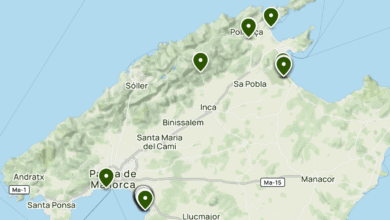
In the digital age, maps have become even more powerful. Tools like Google Maps allow travelers to explore Tenerife in real time, check traffic conditions, discover attractions, and plan itineraries with ease. This makes travel smoother and more efficient, especially for first-time visitors. However, even traditional map understanding remains valuable, as it provides a broader perspective of how the island’s geography connects its cities, beaches, and natural landmarks into one cohesive destination.
Location and Geographic Overview of Tenerife On Map
When examining Tenerife on map, its location immediately stands out as unique and strategic. The island lies in the Atlantic Ocean, just off the northwestern coast of Africa, yet it is officially part of Spain and the European Union. This positioning gives Tenerife On Map a rare blend of European infrastructure and African-adjacent climate conditions, making it one of the most distinctive travel destinations in the world.
Geographically, Tenerife On Map is a volcanic island formed by ancient eruptions, with Mount Teide standing as its most dominant feature. Mount Teide is not only Spain’s highest peak but also one of the most visited natural attractions in Europe. The island’s terrain is divided between rugged volcanic landscapes, lush northern valleys, and sun-drenched southern coastlines. This diversity is clearly visible when studying Tenerife on a map, where elevation changes and natural formations shape the island’s identity.
Tenerife On Map also experiences microclimates, meaning weather conditions can vary significantly across short distances. The north is generally greener and more humid, while the south is drier and sunnier, making it ideal for beach tourism. This climatic variation plays an important role in how settlements and tourist zones are distributed across the island. A map helps travelers understand these differences and choose the right region based on their travel preferences, whether they are seeking adventure, relaxation, or cultural exploration.
Major Cities and Regions on Tenerife On Map
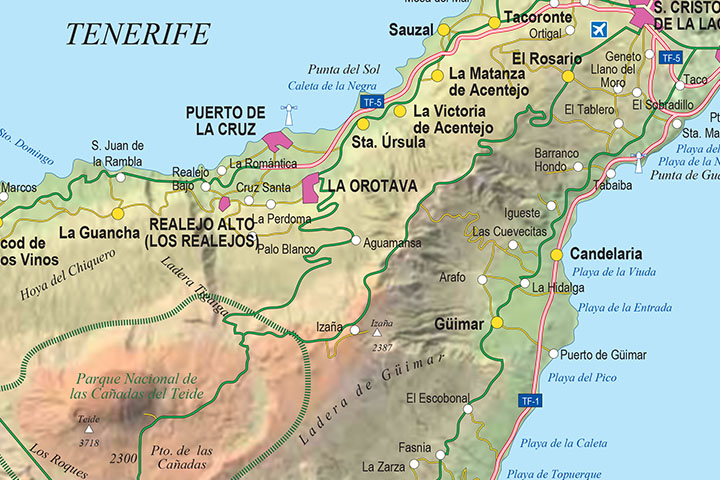
A detailed look at Tenerife on map reveals several key cities and regions, each offering a unique experience. The capital city, Santa Cruz de Tenerife On Map, is located in the northeast of the island. It serves as the administrative and cultural heart of Tenerife, featuring a busy port, modern infrastructure, and a vibrant urban atmosphere. The city is also known for its museums, shopping districts, and annual carnival, one of the largest in the world.
Another important location is San Cristóbal de La Laguna, a UNESCO World Heritage city known for its historical architecture and academic influence. Unlike the modern capital, La Laguna offers a more traditional and cultural experience, with cobblestone streets, colonial buildings, and a strong university presence. On the map, it is located close to Santa Cruz, making both cities easily accessible within a short distance.
In the southern part of Tenerife, areas such as Costa Adeje and Playa de las Américas stand out as major tourist destinations. These regions are known for luxury resorts, sandy beaches, entertainment venues, and nightlife. When viewed on a map, the southern coastline appears densely developed for tourism, with a strong focus on hospitality and leisure infrastructure.
In contrast, the northern city of Puerto de la Cruz offers a more relaxed and traditional tourist experience. It is surrounded by botanical gardens, volcanic beaches, and scenic viewpoints. Each of these regions plays a different role in Tenerife’s tourism ecosystem, and a map helps visitors choose the right area based on their travel goals.
Beaches and Coastal Areas on Tenerife Map
Tenerife is especially famous for its coastline, and studying Tenerife on map reveals a wide variety of beaches and coastal environments. The southern region is home to some of the most popular tourist beaches, featuring golden sand, calm waters, and well-developed resort facilities. These beaches are ideal for families, sunbathers, and water sports enthusiasts who prefer structured and accessible coastal areas.
In contrast, the northern coastline is known for its dramatic volcanic beaches with black sand, shaped by the island’s geological history. These beaches are more natural and less commercialized, offering a quieter and more scenic experience. On a map, this contrast between north and south becomes clearly visible, helping travelers choose between vibrant resort areas and peaceful natural settings.
Tenerife also features hidden coves and remote beaches that are less accessible but highly rewarding for adventurous travelers. These locations are often surrounded by cliffs and natural landscapes, making them perfect for hiking and exploration. Water activities such as surfing, snorkeling, diving, and boat tours are popular across the island, with coastal maps helping visitors identify the best activity zones based on sea conditions and accessibility.
Attractions and Landmarks on Tenerife Map
A Tenerife map also highlights several world-famous attractions and natural landmarks. The most iconic is Mount Teide National Park, a UNESCO World Heritage Site that dominates the island’s center. Visitors can explore volcanic landscapes, take cable car rides, and enjoy panoramic views from Spain’s highest point. Its central location makes it visible from many parts of the island, especially when viewed on a geographic map.
Cultural landmarks are also spread across Tenerife, including historical towns, churches, and museums that reflect the island’s Spanish heritage. These sites are often located in older urban areas such as La Laguna and Santa Cruz. In addition, modern attractions like water parks, wildlife parks, and entertainment complexes are concentrated in tourist-heavy southern regions.
Natural viewpoints and hiking trails are another major highlight. Tenerife is filled with scenic routes that pass through cliffs, forests, and volcanic terrain. A map helps travelers locate these trails and plan safe, enjoyable outdoor experiences. Whether exploring coastal paths or mountain routes, Tenerife’s geography offers endless opportunities for adventure.
Conclusion
Studying Tenerife on Map provides a complete understanding of one of the most diverse and visually stunning islands in Europe. From volcanic mountains and historic cities to world-class beaches and modern resorts, Tenerife offers an exceptional mix of natural beauty and cultural richness. A map helps connect all these elements, making travel planning easier and more efficient.
Whether you are exploring Santa Cruz de Tenerife, relaxing in Costa Adeje, or discovering the landscapes of Mount Teide, understanding the island through its map ensures a richer and more meaningful travel experience. Tenerife is not just a destination—it is a layered geographical and cultural journey waiting to be explored.
Frequently Asked Questions (FAQs)
Where is Tenerife located on the map?
Tenerife is in the Atlantic Ocean, part of Spain’s Canary Islands near the northwest coast of Africa.
What is Tenerife famous for?
It is known for Mount Teide, beaches, resorts, and year-round tourism.
What is the capital of Tenerife?
Santa Cruz de Tenerife is the capital city.
Is Tenerife easy to travel around?
Yes, it has good roads, public transport, and digital map navigation.
Which areas are best for tourists in Tenerife?
Costa Adeje, Playa de las Américas, Puerto de la Cruz, and Santa Cruz are popular.
Can I use Google Maps in Tenerife?
Yes, Google Maps works effectively for navigation and travel planning across the island.
You May Also Read: Burntwood Map