The What Am I Game is one of the most entertaining and interactive guessing games enjoyed by people of all ages around the world. It is simple in concept but highly engaging in practice, making it a favorite choice for parties, classrooms, family gatherings, and even virtual meetups. The game revolves around curiosity, logic, and creativity, where players try to guess a hidden identity by asking strategic questions.
What makes this game so popular is its ability to bring people together while encouraging communication and critical thinking. Unlike complex board games or digital games that require setup or equipment, the What Am I Game can be played anywhere with minimal preparation. All you need is imagination and a group of willing participants. This simplicity is one of the main reasons it has become a timeless activity across different cultures and age groups.
In this complete guide, we will explore everything about the What Am I Game, including its rules, gameplay structure, best question ideas, variations, and expert tips. Whether you are a beginner or someone looking to improve your strategy, this article will help you understand how to enjoy the game to its fullest potential.
What is the What Am I Game?
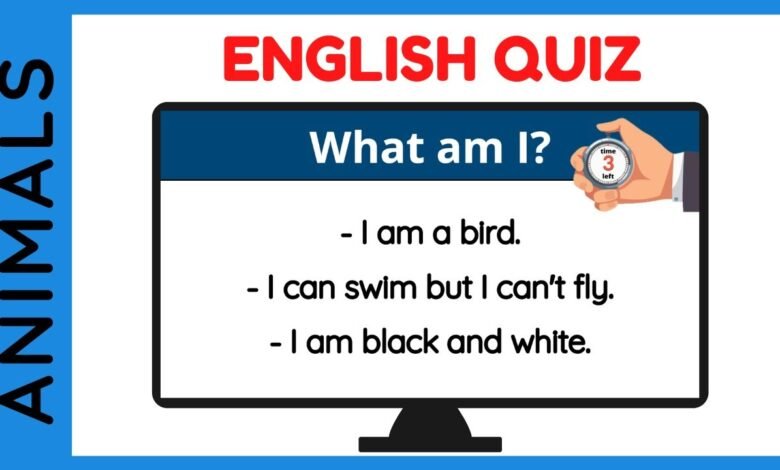
The What Am I Game is a classic guessing game where players attempt to identify a hidden word, object, animal, or character by asking yes-or-no questions. Each player is assigned a secret identity that they cannot see, and they must rely on logical questioning to figure out what they are. The challenge lies in asking smart questions that gradually narrow down the possibilities.
This game is believed to have evolved from traditional word-guessing and charades-style activities that have been played for generations. Over time, it has become a popular social game in schools, parties, and team-building events. Its flexibility allows players to customize the difficulty level, making it suitable for both children and adults.
One of the key reasons for its popularity is its adaptability. The game can be played with simple handwritten notes, sticky notes on the forehead, or even digital apps. It encourages interaction, laughter, and quick thinking, making it an excellent icebreaker in new social settings. Unlike competitive games, the What Am I Game focuses more on fun and participation rather than winning alone.
Basic Rules of the What Am I Game
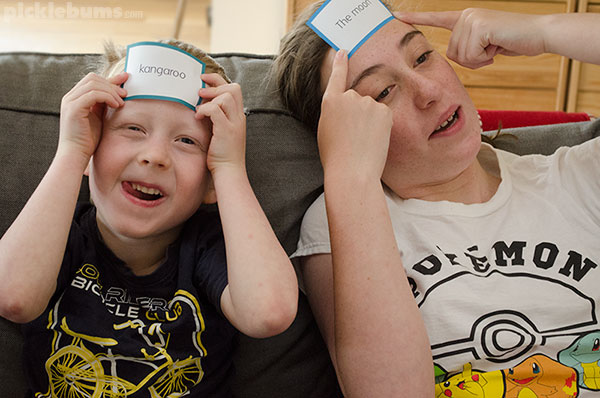
The rules of the What Am I Game are simple, making it easy for anyone to learn and play. The game usually begins with players selecting or being assigned a secret identity. This could be anything from animals and objects to famous personalities or fictional characters. The identity is then hidden from the player, either by placing a card on their forehead or keeping it secret from themselves.
Once the game begins, players take turns asking yes-or-no questions to figure out their identity. Questions such as “Am I an animal?” or “Am I something used in daily life?” help narrow down the possibilities. The key rule is that only simple answers like “yes,” “no,” or “maybe” are allowed, which keeps the game structured and fair.
A player wins when they correctly guess their identity. Depending on the version being played, scoring systems may also be introduced where players earn points for correct guesses or successful questioning. In group settings, a host or moderator may guide the game to ensure fairness and keep track of turns. These basic rules ensure smooth gameplay and make the experience enjoyable for everyone involved.
How to Play What Am I Game (Step-by-Step Guide)
Playing the What Am I Game is straightforward and requires minimal preparation. The first step is gathering a group of players. The game works best with at least three or more participants, but larger groups make it even more exciting and interactive. Once the group is ready, players decide on categories such as animals, food, celebrities, or everyday objects.
Next, each player is assigned a secret identity. This can be done by writing names on paper, using sticky notes, or drawing cards. The identity is placed so that the player cannot see it but others can. This creates the core challenge of the game—figuring out something you cannot see yourself.
Once everyone is ready, the questioning begins. Players take turns asking yes-or-no questions to gather clues. Based on the answers, they gradually eliminate possibilities until they are confident enough to make a guess. The game continues until all players have correctly identified their assigned identities. This step-by-step process ensures that the game remains organized, fun, and engaging for everyone.
Best Questions for What Am I Game
Asking the right questions is the key to success in the What Am I Game. Beginners often start with broad questions such as “Am I an animal?” or “Am I something you can eat?” These help quickly narrow down the category and eliminate large groups of possibilities. Simple questions are important in the early stages of the game.
As the game progresses, players should move to more specific questions. For example, asking “Am I commonly found indoors?” or “Am I associated with transportation?” helps refine the possibilities further. These mid-level questions require more thought and strategy, making the game more interesting.
Advanced players often use highly specific or logical deduction questions such as “Am I a fictional character?” or “Am I used in a professional setting?” The goal is to eliminate as many options as possible with each question. Strategic questioning is what separates beginners from experienced players and adds depth to the game.
Popular Variations of What Am I Game
The What Am I Game has several exciting variations that keep it fresh and engaging. The classic version follows the standard yes-or-no questioning format and is the most commonly played. It is simple, easy to understand, and perfect for beginners.
Another popular variation is the charades-style version, where players act out clues instead of asking questions. This adds a physical and humorous element to the game, making it even more entertaining. Team-based versions are also widely enjoyed, where groups compete against each other to guess identities faster.
Timed challenges introduce an element of urgency, where players must guess their identity within a set time limit. This increases excitement and pressure, making the game more competitive and fast-paced. These variations ensure that the game never becomes repetitive and can be adapted to different settings.
Benefits of Playing What Am I Game
The What Am I Game is not just about entertainment—it also offers several educational and social benefits. One of the biggest advantages is improved communication skills. Players must clearly express their thoughts and ask meaningful questions to succeed in the game.
It also enhances critical thinking and problem-solving abilities. Players learn how to analyze clues, eliminate options, and make logical decisions. Additionally, the game promotes teamwork and social bonding, making it ideal for group activities and icebreakers.
For children, the game provides educational value by improving vocabulary and cognitive skills. For adults, it serves as a relaxing and enjoyable way to socialize and unwind. Its versatility makes it suitable for all age groups.
Conclusion
The What Am I Game remains one of the most enjoyable and versatile guessing games ever created. Its simple rules, engaging gameplay, and endless variations make it a perfect activity for any occasion. Whether you are playing with friends, family, or classmates, it guarantees laughter, interaction, and mental stimulation.
By encouraging logical thinking, creativity, and communication, the game offers more than just entertainment. It brings people together and creates memorable experiences. With the right questions and strategies, anyone can enjoy and excel at this timeless game.
FAQs (Frequently Asked Questions)
What is the What Am I Game?
It is a guessing game where players identify a hidden identity using yes-or-no questions.
How many players are needed?
At least three players are recommended for the best experience.
Can children play this game?
Yes, it is suitable for all age groups.
What categories can be used?
Animals, objects, food, celebrities, and more.
How long does a game last?
Usually 10–30 minutes depending on group size.
Is it a team game?
It can be played individually or in teams.
Can it be played online?
Yes, it works well in virtual meetings.
What skills does it improve?
It improves communication, logic, and critical thinking.
Are there official rules?
No, rules can be flexible depending on players.
How can I make it more fun?
By adding themes, time limits, or creative categories.
You May Also Read: Arrochar Map