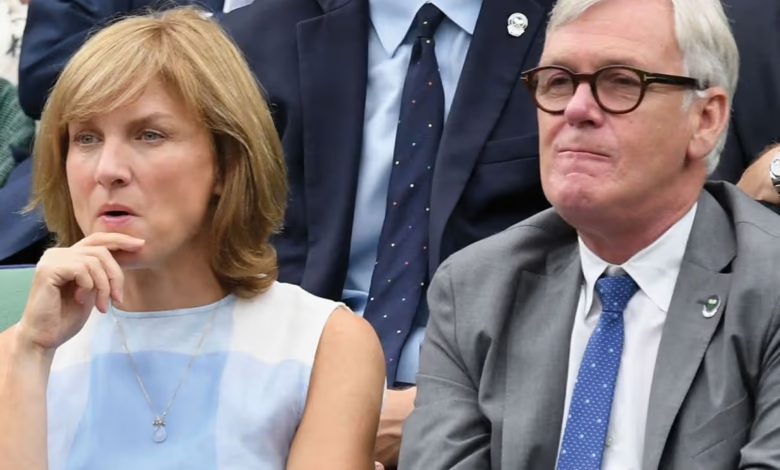
Nigel Sharrocks is a well-known figure in the advertising and media industry, recognized for his leadership roles, strategic thinking, and long-standing contributions to some of the most influential organizations in the business world. Over the years, his name has become associated with corporate excellence, media innovation, and strong executive management. As a result, interest in his professional journey continues to grow, especially among those studying advertising, media buying, and corporate leadership.
In the modern business landscape, executives like Nigel Sharrocks play a crucial role in shaping how media companies operate and how advertising strategies evolve. His career reflects the transformation of traditional advertising into a more data-driven, digital-focused industry. Understanding his journey helps provide insight into how global media strategies are developed and executed at the highest levels.
This article explores Nigel Sharrocks’ biography, career path, leadership style, achievements, and overall influence in the business world. It also highlights his role in shaping advertising practices and his continued relevance in the evolving media environment.
Who Is Nigel Sharrocks?
Nigel Sharrocks is a British business executive best known for his work in the advertising and media sectors. Over the course of his career, he has held senior leadership positions in major companies, contributing to the growth and development of global advertising strategies. His professional identity is closely tied to media planning, buying, and corporate management.
His early life and educational background laid the foundation for his future success in business. While detailed personal records are not widely publicized, it is understood that his academic and early professional experiences helped him develop strong analytical and leadership skills. These qualities later became essential in his rise within the competitive advertising industry.
Sharrocks’ entry into the professional world marked the beginning of a steady climb through various roles in media and advertising organizations. Like many executives in this field, he gained experience through hands-on involvement in campaign management, client relations, and strategic planning. These early experiences shaped his understanding of how media industries operate at both operational and strategic levels.
Over time, Nigel Sharrocks became recognized for his ability to manage complex media operations and lead teams effectively. His reputation grew as someone who could balance business objectives with creative advertising strategies, making him a valuable asset in every organization he joined.
Nigel Sharrocks Career Journey
Nigel Sharrocks’ career began with foundational roles in the advertising and media industry, where he gained practical experience in media planning and buying. These early positions allowed him to understand the inner workings of advertising agencies and the importance of strategic communication between brands and audiences. His ability to analyze market trends and optimize media campaigns helped him stand out early in his career.
As his career progressed, Sharrocks moved into more senior roles within well-established media organizations. He played a significant role in shaping advertising strategies for major companies, contributing to their growth and market presence. His expertise in media buying and strategic planning positioned him as a key decision-maker in high-level business operations.
One of the defining aspects of his career is his leadership within large media and advertising firms. In executive positions, he was responsible for overseeing teams, managing client relationships, and ensuring the success of advertising campaigns across multiple platforms. His leadership style focused on efficiency, innovation, and results-driven performance, which helped organizations achieve stronger market positioning.
Nigel Sharrocks is also known for his ability to adapt to changes in the advertising industry. As digital media began to transform traditional advertising models, he played a role in guiding companies through this transition. His experience allowed him to bridge the gap between traditional media buying and modern digital advertising strategies, ensuring continued relevance in a rapidly changing industry.
Nigel Sharrocks in the Media and Business World
Within the advertising industry, Nigel Sharrocks is respected for his contributions to media planning and strategic advertising development. His work has influenced how advertising agencies approach campaign design, audience targeting, and media allocation. By focusing on efficiency and performance, he helped organizations maximize the impact of their advertising budgets.
Sharrocks’ influence extends beyond individual campaigns to broader corporate strategies. His leadership in media companies contributed to business expansion, improved client relationships, and stronger industry positioning. Executives like him play a critical role in shaping how companies compete in highly dynamic and competitive markets.
His reputation in the business world is built on professionalism, consistency, and strategic insight. Colleagues and industry professionals often recognize his ability to make informed decisions under pressure while maintaining a clear focus on long-term objectives. This has helped him maintain a strong presence in the advertising sector over many years.
As the advertising industry evolved, Sharrocks remained relevant by adapting to new technologies and market trends. His involvement in both traditional and modern media strategies reflects his ability to understand and respond to industry transformation, a key factor in his continued influence.
Personal Life of Nigel Sharrocks

Nigel Sharrocks is also known for maintaining a balance between his professional responsibilities and personal life. While he is primarily recognized for his business achievements, aspects of his personal life have also drawn public interest, particularly in relation to his family connections.
He is married to well-known television presenter and journalist Jane Moore, which has occasionally brought him into the public spotlight beyond his professional achievements. Despite this connection, Sharrocks has largely maintained a private lifestyle, focusing public attention on his career rather than personal matters.
Outside of his professional work, Sharrocks is believed to enjoy a relatively low-profile lifestyle. Like many business executives, his interests likely include professional development, industry engagement, and maintaining personal well-being outside of corporate responsibilities.
His ability to separate personal life from public business identity reflects a common trait among senior executives who prefer to keep their private lives out of media attention. This balance has helped him maintain focus on his professional contributions while preserving personal privacy.
Achievements and Recognition
Nigel Sharrocks’ career includes several notable achievements within the advertising and media industry. His leadership roles in major companies highlight his ability to manage large-scale operations and contribute to organizational success. These achievements reflect years of experience and strategic decision-making.
He is widely respected within the industry for his expertise in media planning and buying. His contributions have influenced advertising strategies used by major brands, helping improve campaign efficiency and audience engagement. This level of impact demonstrates his importance in shaping modern advertising practices.
Sharrocks’ long-term contributions also include helping organizations adapt to changes in media consumption. As digital platforms grew in importance, his leadership helped guide companies through transitions that required new thinking and innovative approaches.
His recognition within the industry is not necessarily defined by public awards but by professional respect and sustained success in high-level executive roles. This type of recognition is often considered more significant in corporate environments, where influence and results define legacy.
Nigel Sharrocks in Modern Business Context
In today’s rapidly evolving media landscape, Nigel Sharrocks’ experience remains relevant. The advertising industry continues to shift toward digital platforms, data-driven strategies, and automated media buying systems. His background in traditional and modern advertising provides valuable insight into this transformation.
His influence can still be seen in how media companies approach strategic planning and campaign execution. Many of the principles he worked with—efficiency, targeting accuracy, and budget optimization—remain central to modern advertising strategies.
Sharrocks also represents a generation of business leaders who successfully transitioned through major industry changes. From traditional media buying to digital-first strategies, his career reflects adaptability and long-term vision.
Future Outlook and Continued Influence
Although much of Nigel Sharrocks’ most active career work is already established, his influence continues through the systems, strategies, and leadership practices he contributed to the industry. His legacy remains relevant in advertising discussions and media studies.
As the industry continues to evolve, the foundations built by executives like Sharrocks will continue to shape future advertising models. His experience demonstrates how adaptability and strategic thinking are essential for long-term success in business.
Conclusion
Nigel Sharrocks is a respected figure in the advertising and media industry, known for his leadership, strategic expertise, and long-standing contributions to major organizations. His career reflects the evolution of the advertising world, from traditional media buying to modern digital strategies.
Through his professional achievements and industry influence, he has established a legacy built on innovation, adaptability, and strong leadership. His story offers valuable insights into the world of corporate media and the importance of strategic thinking in business success.
FAQs
Who is Nigel Sharrocks?
Nigel Sharrocks is a British advertising and media executive known for his leadership roles in major media companies.
What is Nigel Sharrocks known for?
He is known for his expertise in media planning, buying, and corporate leadership in the advertising industry.
Who is Nigel Sharrocks married to?
He is married to journalist and television presenter Jane Moore.
What industries has Nigel Sharrocks worked in?
He has worked primarily in advertising, media planning, and corporate business management.
Why is Nigel Sharrocks important in advertising?
He has contributed to shaping media strategies and guiding companies through industry changes, especially during the shift to digital advertising.
You May Also Read: Eileen Catterson