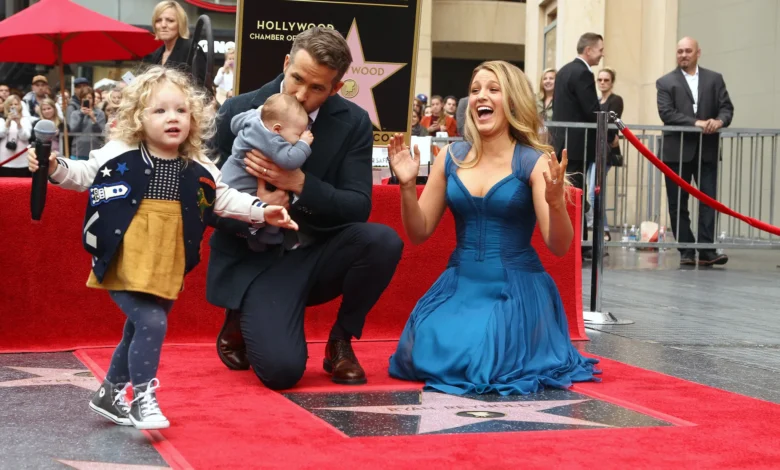
Ryan Reynolds Daughter is one of Hollywood’s most recognizable actors, known for his roles in blockbuster films, especially the “Deadpool” franchise, and his signature witty personality. Beyond his professional success, there is growing public curiosity about his personal life, especially his family and children. The search term “Ryan Reynolds daughter” reflects the widespread interest fans have in learning more about his private world, even though the actor and his wife, Blake Lively, are known for keeping their family life extremely private.
In today’s digital age, celebrity families often become a major focus of online discussions. Fans follow not only movies and performances but also personal milestones, relationships, and parenting styles of famous personalities. However, Ryan Reynolds Daughter and Blake Lively stand out for how carefully they protect their children from public exposure. Despite being one of Hollywood’s most famous couples, they have intentionally chosen a low-profile approach when it comes to their kids.
This article explores Ryan Reynolds Daughter’ family life, his role as a father, why his daughter and children attract public interest, and how he balances global fame with private parenting. It also discusses the broader impact of celebrity culture on children and why privacy has become a central issue for modern Hollywood families.
Who Is Ryan Reynolds Daughter?
Ryan Reynolds Daughter is a Canadian-American actor, producer, and entrepreneur who has built a successful career spanning television, comedy, action films, and business ventures. Born in Vancouver, Canada, he began acting at a young age and slowly worked his way into Hollywood through small television roles before gaining mainstream recognition. His early career included appearances in teen dramas and comedy shows, which helped him develop his timing, humor, and on-screen charisma.
His breakthrough came with roles in romantic comedies and action films, but his global fame skyrocketed with the “Deadpool” franchise. The character of Deadpool perfectly matched Reynolds’ comedic style, blending sarcasm, action, and emotional storytelling. The success of the franchise not only established him as a leading Hollywood actor but also significantly increased his global fanbase.
Outside of acting, Ryan Reynolds Daughter is known for his entrepreneurial success, marketing creativity, and strong social media presence. He has invested in multiple companies and built a reputation as a smart businessman in addition to being an entertainer. Despite his fame, he is often praised for his grounded personality and humor, which makes him relatable to fans worldwide.
Ryan Reynolds’ Family Life
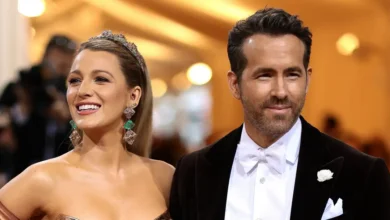
Ryan Reynolds Daughter is married to actress Blake Lively, and together they form one of Hollywood’s most admired celebrity couples. Their relationship began after working in the entertainment industry and quickly grew into a strong partnership based on humor, respect, and shared values. Over the years, they have become known not just for their careers but also for their ability to maintain a strong and private family life despite intense public attention.
The couple has children together, including daughters, but they have made a conscious decision to keep their identities and personal details private. Unlike many celebrities who share family moments on social media, Ryan Reynolds Daughter and Blake Lively rarely reveal photos or personal information about their children. This decision reflects their commitment to giving their kids a normal upbringing away from the constant spotlight of Hollywood.
Their parenting philosophy focuses on protecting their children from excessive media attention. They believe that children should have the freedom to grow up without being constantly observed by cameras or discussed online. This approach has earned them respect from many fans who understand the importance of privacy in a world where celebrity culture often crosses personal boundaries.
Ryan Reynolds as a Father
Ryan Reynolds Daughter has often spoken about fatherhood in interviews, usually in a humorous and lighthearted way. His comedic personality is well known, and he frequently uses humor when discussing parenting experiences. However, beneath the humor, it is clear that he takes his role as a father very seriously and prioritizes his family above many aspects of his career.
Balancing a demanding Hollywood schedule with family life is not easy, but Reynolds has emphasized the importance of spending quality time with his children. He has mentioned in various interviews that fatherhood has changed his perspective on life, making him more focused on family values and long-term priorities rather than just professional achievements.
One of the key aspects of his parenting style is maintaining privacy. Ryan Reynolds Daughter avoids sharing detailed information about his children in public spaces. This is not due to secrecy, but rather a deliberate effort to allow his children to grow up outside of public scrutiny. In the age of social media, where even small details can become viral, this level of protection is increasingly rare among celebrities.
Celebrity Children and Media Attention
Celebrity children often attract significant public attention, even when they are not directly involved in the entertainment industry. Fans are naturally curious about the personal lives of famous actors, especially those who have built strong emotional connections through films and television shows. This curiosity extends to their families, relationships, and parenting choices.
However, growing media attention around celebrity children has also raised important concerns about privacy and ethical journalism. Many public figures, including Ryan Reynolds Daughter and Blake Lively, have expressed concerns about how constant exposure can affect a child’s development. Paparazzi culture and online speculation can create pressure that children are not prepared to handle.
In response to these concerns, many celebrities now choose to limit public exposure of their children. This includes avoiding social media posts, restricting public appearances, and requesting media respect for their family boundaries. Ryan Reynolds Daughter and Blake Lively are among the most well-known examples of this protective approach.
Ryan Reynolds and Blake Lively as a Power Couple
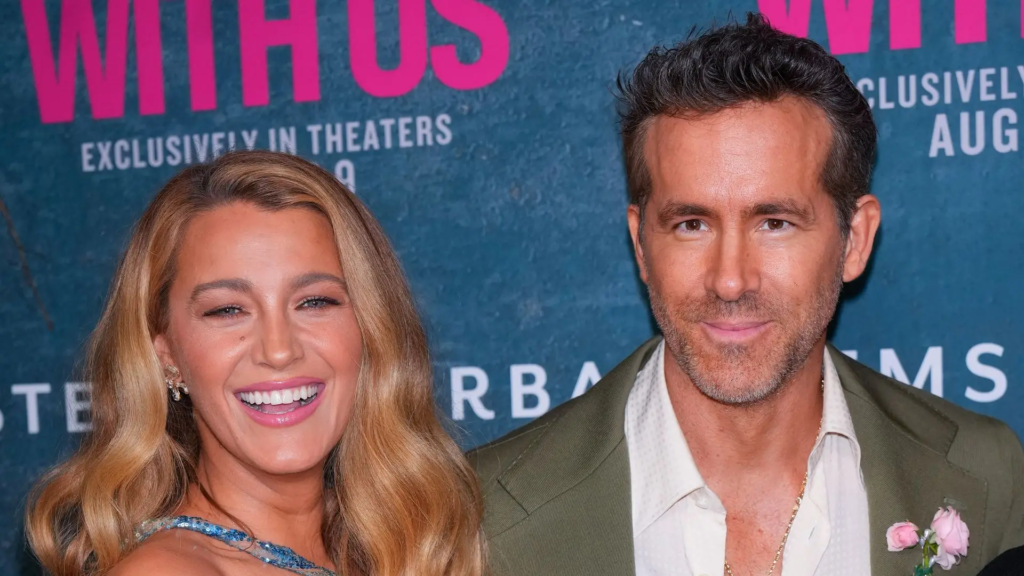
Ryan Reynolds and Blake Lively are widely regarded as one of Hollywood’s strongest and most admired couples. Their relationship is often praised for its humor, mutual respect, and ability to remain grounded despite global fame. They frequently support each other’s careers while maintaining a strong family foundation.
Unlike many celebrity couples, they avoid overexposing their personal lives to the media. Instead, they focus on maintaining balance between professional success and private happiness. Their public appearances are usually limited to events, premieres, and professional commitments rather than personal family exposure.
Their relationship also plays a significant role in shaping public perception of modern celebrity families. Fans admire how they manage fame while prioritizing family life, which sets a positive example in the entertainment industry.
Privacy and Protection of Their Daughter
One of the most important aspects of Ryan Reynolds Daughter’ family life is his strong commitment to protecting his children’s privacy. In interviews, he has often emphasized the importance of allowing children to grow up without media pressure or public scrutiny. This is particularly important in the digital age, where information spreads rapidly and can remain online permanently.
Protecting celebrity children from media exposure is not only a personal choice but also a growing ethical discussion in entertainment journalism. Many public figures believe that children should not be subject to the same level of attention as adults, especially when they have not chosen a public life.
Ryan Reynolds and Blake Lively have taken practical steps to ensure their children remain out of the spotlight. This includes limiting public appearances and carefully controlling what is shared online. Their approach reflects a broader shift in Hollywood, where privacy is becoming increasingly valued among celebrity families.
Why “Ryan Reynolds Daughter” Trends Online
The search term “Ryan Reynolds daughter” trends online because fans are naturally curious about the personal lives of celebrities they admire. Ryan Reynolds’ global popularity, combined with his family-oriented public image, makes people interested in learning more about his life beyond acting.
Social media platforms also play a major role in increasing this curiosity. Viral posts, entertainment blogs, and fan discussions often highlight celebrity families, leading to increased search activity. However, much of this attention is based on curiosity rather than confirmed public information.
Despite this interest, Ryan Reynolds Daughter and Blake Lively have successfully maintained a strong boundary between their public and private lives. Their approach demonstrates that even in a highly connected digital world, it is still possible to protect family privacy while maintaining global fame.
Conclusion
Ryan Reynolds Daughter is not only a successful Hollywood actor but also a dedicated father who prioritizes his family above public attention. The growing search interest in “Ryan Reynolds daughter” highlights how strongly audiences connect with celebrity culture, yet it also emphasizes the importance of respecting privacy.
Through his careful approach to parenting and media exposure, Reynolds has shown that fame does not have to come at the cost of family privacy. Alongside Blake Lively, he continues to raise his children away from unnecessary public attention while maintaining a successful career in entertainment.
Ultimately, Ryan Reynolds represents a modern example of balancing global fame with personal values, proving that it is possible to be both a world-famous actor and a protective, grounded parent in today’s digital age.
FAQs
How many children does Ryan Reynolds have?
Ryan Reynolds has multiple children with his wife Blake Lively, including daughters.
What is the name of Ryan Reynolds’ daughter?
Their children’s names are kept private to protect their privacy.
Why do Ryan Reynolds and Blake Lively keep their kids private?
They want their children to grow up away from media attention and public pressure.
Does Ryan Reynolds share pictures of his daughter?
No, he rarely shares personal photos or details of his children.
Who is Ryan Reynolds married to?
He is married to actress Blake Lively.
Why are fans interested in Ryan Reynolds’ daughter?
Because of his global fame and public curiosity about celebrity family life.
You May Also Read: Ryan Reynolds Net Worth