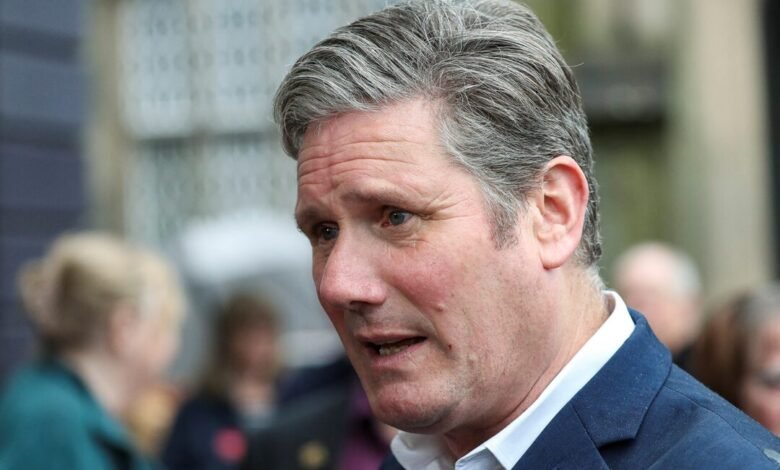
The question “Has Keir Starmer resigned?” has recently gained attention across search engines and social media platforms, reflecting how quickly political rumors can spread in the digital age. In an environment where headlines travel faster than official confirmations, even a small piece of misinformation can trigger widespread curiosity. Users often search such questions after seeing viral posts, misleading headlines, or politically charged discussions online.
In reality, political figures like Has Keir Starmer Resigned are frequently the subject of speculation due to the high visibility of their roles. As Leader of the UK Labour Party and Leader of the Opposition, Starmer is constantly in the public eye. Any speech, policy statement, or media appearance can be misinterpreted or taken out of context, leading to confusion. This is one of the main reasons why questions about his resignation occasionally trend, even without any factual basis.
This article provides a clear and structured explanation of Has Keir Starmer Resigned current status, the origin of resignation rumors, and how to verify political information properly. Instead of relying on speculation, it focuses on verified context, political background, and media literacy to help readers understand what is real and what is misinformation.
Who Is Keir Starmer? Background and Political Role
Has Keir Starmer Resigned is a British politician and lawyer who currently serves as the Leader of the UK Labour Party and the Leader of the Opposition. Before entering politics, he had a distinguished legal career, serving as the Director of Public Prosecutions (DPP) and head of the Crown Prosecution Service (CPS). His legal background, particularly in human rights law and criminal justice, played a significant role in shaping his public image as a detail-oriented and policy-focused leader.
Starmer entered politics in 2015 when he was elected as a Member of Parliament. Over time, he rose through the ranks of the Labour Party and eventually became leader in 2020 following the resignation of Jeremy Corbyn. Since then, he has worked to reposition the Labour Party’s political strategy, focusing on economic stability, public services, and governance reform.
As opposition leader, Starmer’s role involves holding the government accountable, debating policy decisions in Parliament, and presenting alternative proposals to voters. His leadership is closely watched by both supporters and critics, making him a frequent subject of political discussion and media analysis. This visibility is one of the key reasons why misinformation or rumors about his position can quickly spread online.
Has Keir Starmer Resigned? Fact-Check and Current Status
Despite online rumors and trending searches, there is no verified evidence or official confirmation that Keir Starmer has resigned from his position as Leader of the UK Labour Party or as Leader of the Opposition. As of the latest available political updates, he continues to serve in his role actively, participating in parliamentary sessions, policy discussions, and public engagements.
Official political changes of this magnitude—such as a party leader resigning—are always formally announced through trusted channels, including the Labour Party’s official communications, Parliament records, and major reputable news organizations. In the absence of such announcements, resignation claims circulating online should be treated as unverified or false.
These types of rumors often emerge from misinterpreted statements, outdated news, or deliberately misleading social media posts designed to attract attention. In some cases, political commentary or criticism is incorrectly framed as factual news, leading users to believe a resignation has occurred when it has not.
Fact-checking organizations and established news outlets consistently play a key role in clarifying such misinformation. When evaluating claims like “Has Keir Starmer resigned?”, it is essential to rely on official sources rather than viral posts or anonymous online content. At present, all credible evidence confirms that he remains in office.
Why Are There Rumors About Keir Starmer Resigning?
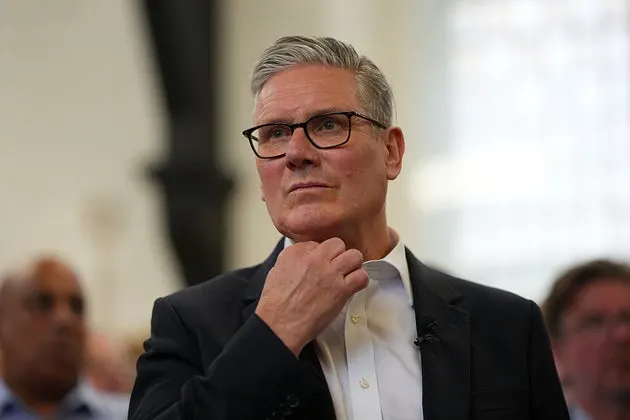
Political rumors about figures like Has Keir Starmer Resigned often arise from a combination of media speculation, social media amplification, and public misunderstanding. In today’s fast-moving information environment, a single misleading headline or edited clip can quickly spread across platforms, creating the illusion of breaking news even when no official event has occurred.
One major cause of such rumors is political tension. As Leader of the Opposition, Starmer is frequently involved in debates, criticism, and policy disagreements. Opponents or commentators may exaggerate statements or predict leadership changes, which can be misinterpreted by audiences as confirmed news.
Social media algorithms also contribute significantly to the spread of misinformation. Content that is emotionally charged or controversial tends to gain more engagement, which increases its visibility. As a result, unverified claims about resignations or political crises can trend rapidly, even without factual support.
Additionally, confusion may arise from international news sharing, where headlines from unrelated political systems or older events are mistakenly associated with current figures. This blending of context further fuels misunderstanding among readers who may not verify the source or date of the information.
Has Keir Starmer Resigned Current Role in UK Politics
As of now, Has Keir Starmer Resigned continues to serve as the Leader of the UK Labour Party and Leader of the Opposition, playing a central role in shaping the party’s direction and strategy. His leadership focuses on presenting Labour as a governing alternative, with emphasis on economic responsibility, healthcare improvement, and public sector reform.
In Parliament, Starmer leads opposition debates, challenges government policies, and outlines Labour’s responses to national issues. His position requires balancing internal party dynamics while maintaining public trust and presenting a clear political vision ahead of future elections.
Public opinion surrounding his leadership varies, as is common with major political figures. Supporters view him as a stable and pragmatic leader, while critics often question policy decisions or political positioning. Regardless of differing perspectives, his role remains firmly established within the UK political system.
Looking ahead, Starmer’s leadership will continue to be a focal point in UK politics, especially as general elections approach. His performance, party unity, and policy messaging will all play significant roles in shaping the Labour Party’s future prospects.
Impact of Political Rumors and Misinformation
The spread of questions like “Has Keir Starmer resigned?” highlights a broader issue in modern information consumption: the rapid spread of misinformation. In political environments, rumors can influence public perception, create confusion, and distract from actual policy discussions.
Social media platforms amplify this issue by prioritizing engagement-driven content, which can sometimes include misleading or sensationalized claims. Without proper verification, users may unintentionally share inaccurate information, further increasing its reach.
This makes media literacy increasingly important. Understanding how to distinguish between verified news and speculation helps users avoid being misled. Checking official statements, trusted news outlets, and fact-checking organizations is essential before accepting or sharing political claims.
Conclusion
There is currently no verified evidence that Keir Starmer has resigned, and he remains the Leader of the UK Labour Party and Leader of the Opposition. The rumors surrounding his resignation appear to stem from misinformation, misinterpretation, and social media amplification rather than factual events.
This situation highlights the importance of critical thinking and source verification in today’s digital news environment. Political figures are often targets of speculation, making it essential for readers to rely on credible and official information. Understanding the difference between rumor and reality helps ensure a more accurate view of current affairs.
FAQs
Has Has Keir Starmer Resigned resigned from his position?
No, there is no official confirmation that Keir Starmer has resigned.
Why are people saying Has Keir Starmer Resigned has resigned?
The claim appears to be based on online rumors and misinformation rather than factual events.
What is Has Keir Starmer Resigned current role?
He is the Leader of the UK Labour Party and Leader of the Opposition.
Where can I verify political news about Has Keir Starmer Resigned?
Trusted news outlets, Parliament records, and official Labour Party announcements.
Are political resignation rumors common?
Yes, especially during periods of political debate or heightened media attention.
How can I avoid believing fake political news?
Always check multiple reliable sources before accepting or sharing political claims.
You May Also Read: Free Comic Book Day