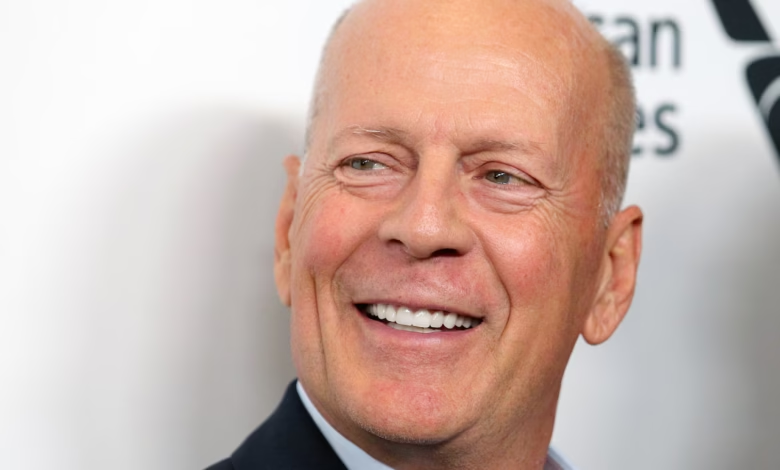
Bruce Willis Illness is one of Hollywood’s most recognized stars, known for decades of unforgettable performances in action, drama, and suspense films. From tough heroes to emotional characters, he built a career that reached audiences across generations. Because of that deep connection, many fans continue searching for updates about Bruce Willis illness and his overall well-being. His health journey has become a topic of worldwide interest, not only because of his fame, but also because it has helped raise awareness of serious neurological conditions.
In recent years, the public learned that Bruce Willis Illness was facing significant health challenges. What began as an announcement regarding aphasia later developed into a more specific diagnosis of Frontotemporal Dementia, often called FTD. These updates brought concern from fans, support from fellow actors, and renewed conversations about brain health. For many people, his story became the first time they heard about these medical conditions.
The attention around Bruce Willis illness also reflects how deeply people value entertainers who shaped popular culture. Fans who watched Die Hard, The Sixth Sense, or Armageddon often feel a personal bond with him. When a beloved public figure faces illness, audiences naturally hope for the best and seek reliable information.
This article explores Bruce Willis Illness health journey, the meaning of his diagnoses, family support, and the legacy he continues to hold. It also aims to present facts respectfully, focusing on awareness, compassion, and appreciation for a remarkable career.
Who Is Bruce Willis Illness?
Bruce Willis Illness became famous through a combination of charisma, timing, and versatility. Born in Germany and raised in the United States, he began acting before rising to major success in television and film. His breakout role in the TV series Moonlighting introduced audiences to his charm and comic energy, but it was Die Hard that transformed him into a global superstar. His portrayal of John McClane redefined the modern action hero by mixing toughness with humor and vulnerability.
Throughout the 1990s and 2000s, Bruce Willis Illness proved he was more than an action actor. He appeared in dramatic, comedic, and psychological roles that showcased surprising depth. Films like Pulp Fiction and The Sixth Sense highlighted his range and kept him relevant across changing eras of cinema. Few actors successfully transition between blockbuster entertainment and critically respected projects, but Willis managed both.
His reputation in Hollywood has long been tied to professionalism, screen presence, and broad audience appeal. Millions of people grew up watching his films, making him a familiar and comforting figure in entertainment. This is one reason why searches for Bruce Willis illness became so common when health news emerged. People were not just reading about a celebrity—they were checking on someone whose work had been part of their lives for decades.
Even today, his legacy remains powerful. Younger audiences continue discovering his films through streaming platforms, while longtime fans revisit classics. That lasting admiration explains why so many still care deeply about his condition and family updates.
Bruce Willis Illness Explained
The first major public update regarding Bruce Willis illness came when his family announced he had been diagnosed with aphasia. Aphasia is a condition that affects language abilities, including speaking, understanding speech, reading, or writing. It is usually caused by damage to areas of the brain responsible for communication. For an actor whose career depended on dialogue, memory, and performance, this diagnosis carried special significance.
Aphasia itself is not a disease but a symptom or result of underlying brain changes or injury. In Bruce Willis Illness case, later updates clarified that doctors had identified a more specific neurological condition: Frontotemporal Dementia (FTD). This helped explain why symptoms were progressing beyond communication difficulties. Many families experience a changing diagnostic journey with neurological illnesses as more information becomes available over time.
Frontotemporal Dementia is a group of disorders caused by degeneration in the frontal and temporal lobes of the brain. These areas help control language, personality, decision-making, and behavior. Unlike some other dementias more associated with memory loss first, FTD often begins with language or behavioral changes. That distinction is important in understanding Bruce Willis Illness case.
Public awareness of aphasia and FTD increased significantly after these announcements. Many people had never heard of either condition before. While celebrity health stories are personal and sensitive, they can also educate the public. In that sense, the conversation around Bruce Willis illness has helped many families recognize symptoms, seek medical advice, and learn about caregiver challenges.
Timeline of Bruce Willis Health Journey

Bruce Willis Illness eventually stepped away from acting as symptoms affected his ability to perform. Acting requires memory, communication, timing, and quick adaptation on set. When these skills become harder due to neurological conditions, continuing a demanding film career becomes increasingly difficult. His retirement was met with sadness but also widespread respect.
The family’s public announcements were handled with warmth and dignity. They shared updates to explain why he was leaving work and later to clarify the FTD diagnosis. These statements also emphasized gratitude for fan support and a desire for privacy. In an era where rumors spread quickly online, direct family communication helped provide trustworthy context.
Fans, actors, and media outlets responded with strong support. Many colleagues praised Bruce Willis Illness not only for his talent but also for kindness and professionalism behind the scenes. Public reaction showed how much goodwill he had built throughout his career. The widespread attention to Bruce Willis illness was rooted largely in affection rather than gossip.
His journey also highlights a broader truth: serious illness can affect anyone, including famous and successful people. It reminds audiences that health challenges are human experiences, not status-based ones. That message often resonates more strongly when a familiar public figure is involved.
Family Support and Private Life
One of the most touching parts of the story has been the visible support from Bruce Willis Illness family. Loved ones have shared messages of care, appreciation, and togetherness. Their updates often focus on love, gratitude, and meaningful family moments rather than medical details. This approach has helped shape a respectful narrative around Bruce Willis illness.
Family support is especially important with neurological conditions like FTD. As communication or behavior changes occur, routines, patience, and emotional reassurance become essential. Caregivers often carry a heavy responsibility, and strong family networks can make a tremendous difference in quality of life.
At the same time, balancing privacy with public curiosity is not easy. Famous families often face intense pressure for updates. Bruce Willis’s family has generally chosen thoughtful, limited communication—enough to inform supporters while protecting personal boundaries. That balance deserves respect.
Fans around the world continue sending positive messages. For many, supporting Bruce Willis now means celebrating his work and honoring the family’s privacy. It is a reminder that admiration can be compassionate rather than intrusive.
Understanding Frontotemporal Dementia
Frontotemporal Dementia is less widely known than some other dementias, yet it can deeply affect individuals and families. It often appears earlier than typical late-life dementias and may begin with speech difficulties, personality shifts, or impaired judgment. Because symptoms can resemble other issues at first, diagnosis may take time.
There is currently no cure for FTD, but supportive care can help manage symptoms. Speech therapy, structured routines, counseling, and caregiver support are often valuable. Treatment usually focuses on comfort, communication strategies, and maintaining quality of life for as long as possible.
Awareness matters because early recognition can help families prepare and seek professional guidance. Stories like Bruce Willis illness can encourage people to take neurological symptoms seriously rather than dismiss them as stress or aging.
The condition also reminds society to value caregivers. Families navigating FTD often need emotional, financial, and practical support. Public understanding can reduce stigma and isolation.
Bruce Willis Legacy Beyond Illness
While health updates brought attention, Bruce Willis should also be remembered for a remarkable career. He starred in beloved films such as Die Hard, Pulp Fiction, The Fifth Element, and The Sixth Sense. These performances continue to entertain new audiences worldwide.
He helped redefine the action genre by portraying heroes who felt human rather than invincible. That influence can still be seen in many modern films. At the same time, his dramatic and comedic roles proved he was never limited to one style.
For fans, admiration now includes both his achievements and the dignity shown during a difficult chapter of life. The discussion of Bruce Willis illness does not erase his legacy—it exists alongside decades of success.
He remains an iconic figure whose work continues to inspire laughter, excitement, and nostalgia.
Conclusion
The story of Bruce Willis illness is one of challenge, family strength, and public compassion. From aphasia to Frontotemporal Dementia, his health journey has increased awareness of conditions many people previously knew little about. It has also shown the importance of accurate information and respectful boundaries.
Above all, Bruce Willis remains far more than his diagnosis. He is a celebrated actor whose performances shaped modern cinema and brought joy to millions. Fans continue to care because his legacy is lasting, meaningful, and deeply human.
FAQs
What illness does Bruce Willis have?
He has Frontotemporal Dementia, also known as FTD.
Was Bruce Willis first diagnosed with aphasia?
Yes, his family first shared an aphasia diagnosis before updating it later.
Why did Bruce Willis retire from acting?
He retired due to health challenges affecting communication and performance.
What is Frontotemporal Dementia?
It is a brain disorder that affects language, behavior, and decision-making.
Is Bruce Willis still receiving family support?
Yes, his family has publicly shown love and support.
Can FTD be cured?
Currently, there is no cure, but supportive care can help manage symptoms.
What are Bruce Willis’s most famous movies?
Die Hard, The Sixth Sense, and Armageddon.
Why do fans still search for Bruce Willis illness?
Fans care about his health and admire his long career.
You May Also Read: Hulk Hogan Net Worth