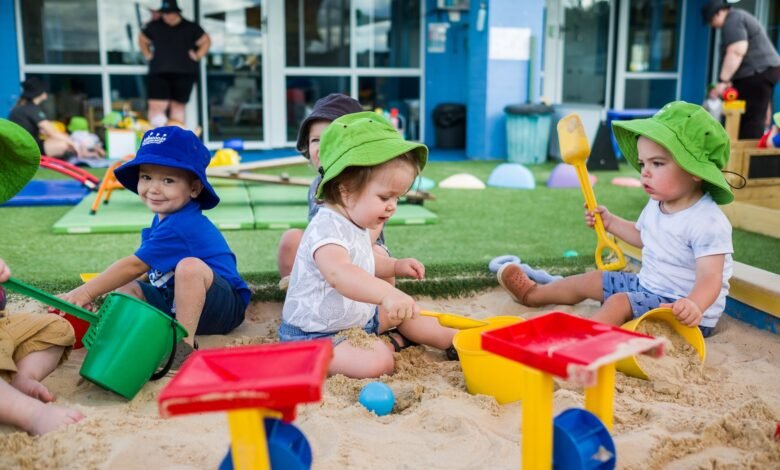
A sand pit is a simple yet highly versatile space filled with clean sand, designed for play, learning, or practical applications. It is commonly found in playgrounds, schools, parks, and even construction sites. While it may look like just a basic recreational feature, a sand pit plays a much deeper role in physical, cognitive, and social development, especially for children. Over time, it has become an essential part of early education environments due to its ability to support creative and sensory learning.
The popularity of sand pit continues to grow because they offer open-ended play opportunities. Unlike structured toys or digital entertainment, a sand’pit allows users to imagine, build, destroy, and rebuild freely. This freedom encourages creativity and problem-solving skills in children. It also provides a natural way for kids to interact with each other, share tools, and collaborate on imaginative projects like building castles or digging tunnels.
Beyond recreation, sand pits also serve practical purposes in industries such as construction and engineering. They are used for testing materials, training purposes, and even safety simulations. This combination of educational, recreational, and industrial use makes the sand pit an incredibly valuable and multifunctional feature in modern environments.
Types of Sand Pits
There are several types of sand pits, each designed for specific environments and purposes. The most common type is the playground sand pit, which is widely used in schools, parks, and daycare centers. These sand pits are designed with safety in mind, often surrounded by soft edges and protective barriers to ensure children can play safely.
Another important type is the construction sand pit, which is used in building and engineering industries. These sand’pits are often larger and used for testing soil conditions, practicing excavation techniques, or training workers in controlled environments. They are essential for hands-on learning in technical fields.
Indoor sand pits are becoming increasingly popular in nurseries and play centers. These are designed for controlled environments where cleanliness and hygiene are strictly maintained. They allow children to enjoy sensory play regardless of weather conditions. Additionally, therapeutic sand pits are used in occupational therapy and psychological development, helping individuals improve focus, reduce stress, and express emotions through tactile interaction.
Each type of sand pit serves a unique purpose, but all share the same core benefit: providing a flexible and interactive environment that encourages exploration and engagement.
Uses of Sand Pit in Daily Life
Sand’pits are widely used in children’s play areas where they serve as a tool for imagination and creativity. Kids often use buckets, shovels, and molds to build shapes, castles, and structures, which helps them develop spatial awareness and motor skills. This type of play also encourages teamwork and communication when children work together.
In education, sand pits are often integrated into early childhood learning programs. Teachers use them to introduce basic concepts such as counting, measuring, and even storytelling. Sand play helps children learn through experience rather than memorization, making it highly effective in Montessori and preschool environments.
In the construction industry, sand’pits have a more technical application. They are used for testing building materials, training equipment handling, and simulating real-world digging or excavation scenarios. This controlled environment allows workers to practice safely before working on actual sites.
Sand pits are also used in therapy and sensory development programs. They help individuals with special needs improve sensory processing, focus, and emotional regulation. The tactile nature of sand makes it an excellent tool for calming and grounding the mind.
Benefits of Sand Pit
One of the biggest benefits of a sand pit is its ability to enhance creativity and imagination. Children are free to create anything they want, which encourages independent thinking and innovation. This type of open-ended play is essential for cognitive development.
Sand pits also help improve fine motor skills. Activities like digging, pouring, and shaping sand strengthen hand muscles and improve coordination between the eyes and hands. These skills are important for writing, drawing, and other daily tasks.
Social interaction is another key benefit. When children play together in a sand’pit, they learn to share tools, negotiate roles, and cooperate on projects. This helps build communication skills and emotional intelligence from an early age.
Additionally, sand play provides sensory stimulation, which is especially important for young children and individuals with developmental challenges. It can also have a calming effect, reducing stress and anxiety while promoting relaxation.
Safety Guidelines for Sand Pit Use
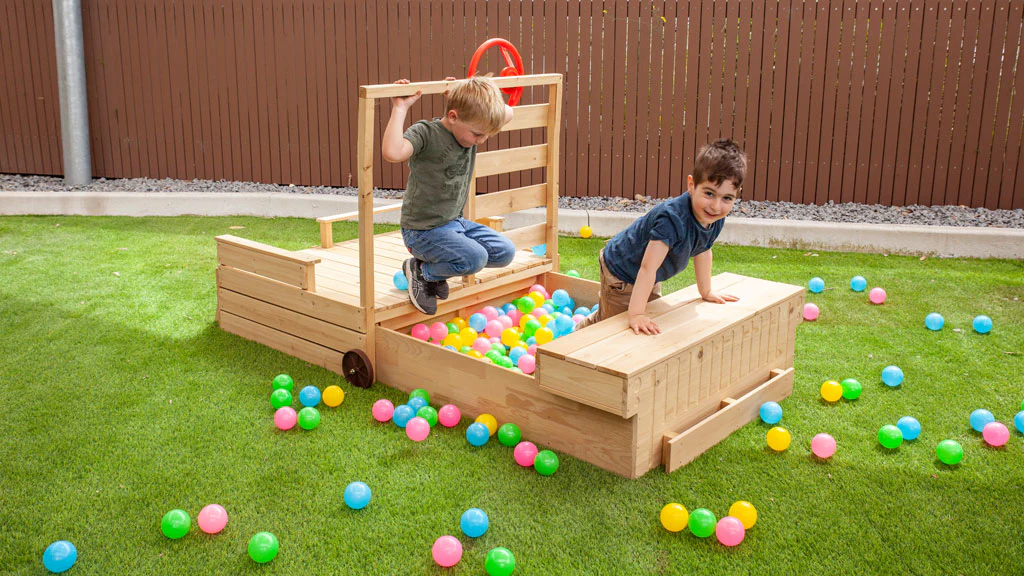
Safety is a crucial aspect of any sand pit, especially those used by children. One of the most important factors is ensuring that the sand is clean and free from harmful bacteria or contaminants. Regular cleaning and maintenance help prevent health risks.
Sand pits should also be designed with proper boundaries and protective edges to prevent injuries. Supervision is essential when children are playing, as it ensures safe and appropriate use of the area. Covering the sand’pit when not in use helps protect it from animals, debris, and weather conditions.
Maintaining hygiene standards is especially important in public or school environments. Regular replacement of sand and inspection of the pit area ensures long-term safety and usability.
Sand Pit Design and Materials
The design of a sand pit plays an important role in its functionality and safety. Most sand pits use natural or silica sand, which is soft, clean, and safe for handling. The depth and size of the sand pit depend on its intended use, with playground pits generally being shallow for safety reasons.
Materials used for edging include wood, rubber, or plastic, all chosen to prevent injuries and provide structural support. Proper drainage systems are also important to avoid water accumulation, which can lead to hygiene issues.
Many modern sand pits include toys, molds, and digging tools to enhance the play experience. Some designs even incorporate educational features such as measurement markings or themed play areas.
Maintenance and Care of Sand Pit
Regular maintenance is essential to keep a sand pit safe and functional. This includes cleaning the sand, removing debris, and checking for contamination. Over time, sand may need to be replaced to maintain hygiene standards.
Keeping the sand loose and aerated ensures better play quality. Seasonal maintenance, such as covering the pit during heavy rain or extreme weather, also helps preserve its condition. Proper care extends the lifespan of the sand pit and ensures continuous safe use.
Sand Pit in Education and Child Development
Sand pits are widely used in educational systems, especially in Montessori and early childhood learning environments. They provide hands-on learning experiences that help children understand basic concepts like shapes, volume, and texture.
Through sand play, children develop problem-solving skills and creativity. They also learn how to interact with others, share resources, and work as a team. These experiences are essential for emotional and social development.
The sensory nature of sand play also supports cognitive growth. It helps children process information through touch, making learning more engaging and effective.
Conclusion
A sand pit is far more than just a play area filled with sand—it is a powerful tool for learning, development, and recreation. From enhancing creativity in children to serving practical roles in construction and therapy, its applications are diverse and valuable.
When properly designed and maintained, sand pits provide safe, engaging, and educational environments for users of all ages. Their simplicity is what makes them so effective, offering endless opportunities for exploration and growth.
FAQs
What is a sand pit used for?
A sand pit is used for play, learning, therapy, and construction training purposes.
Is a sand pit safe for children?
Yes, when properly maintained, supervised, and kept clean, it is very safe.
What type of sand is best for sand pits?
Clean natural sand or silica sand is commonly recommended.
How often should a sand pit be cleaned?
Regular cleaning is recommended weekly or more frequently in public areas.
Can sand pits be used indoors?
Yes, indoor sand pits are common in nurseries and play centers.
What are the benefits of sand pits for kids?
They improve creativity, motor skills, and social interaction.
How deep should a sand pit be?
Typically, 30–60 cm depth is ideal for playground use.
You May Also Read: Pluribus Reviews