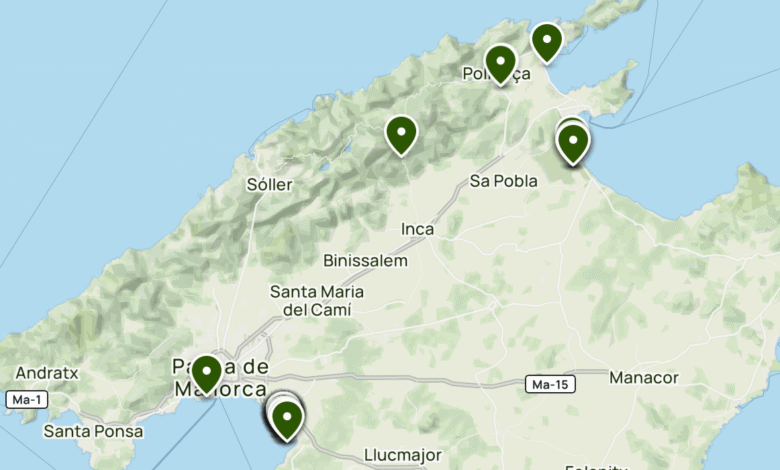
Majorca Map, also known as Mallorca, is one of the most beautiful islands in Spain and a top destination in the Mediterranean. Famous for its crystal-clear waters, dramatic mountains, charming villages, and vibrant nightlife, the island attracts millions of tourists every year. However, to truly experience everything Majorca has to offer, understanding the Majorca map is essential. A good map helps travelers explore efficiently, save time, and discover both famous attractions and hidden gems.
Unlike smaller destinations, Majorca Map is diverse in geography. From the towering Serra de Tramuntana mountains to the peaceful southern beaches and lively coastal resorts, every part of the island offers something unique. Without a proper understanding of the map, visitors may miss out on key locations or spend unnecessary time traveling between distant points.
This guide provides a complete breakdown of the Majorca map, including major cities, beaches, attractions, transportation routes, and hidden spots. Whether you are planning a luxury holiday, a family trip, or a backpacking adventure, this article will help you navigate the island like a local and make the most of your visit.
Understanding the Majorca Map
The island of Majorca is the largest of the Balearic Islands, located in the Mediterranean Sea off the eastern coast of Spain. When looking at a Majorca map, the island appears roughly rectangular with a mix of rugged mountains in the northwest and flat fertile plains in the center and south. The coastline is highly varied, featuring sandy beaches, rocky cliffs, and hidden coves.
One of the most important geographical features on the map is the Serra de Tramuntana, a UNESCO World Heritage mountain range that runs along the northwest coast. This area is known for its scenic roads, hiking trails, and breathtaking viewpoints. The central region of the island is more agricultural, filled with vineyards, olive groves, and traditional villages that reflect authentic Majorcan life.
The coastal regions are where most tourist activity is concentrated. The south and southwest are home to popular resorts and beaches, while the north and east feature quieter bays and more natural landscapes. Understanding this layout helps travelers decide where to stay and how to plan their routes effectively.
A Majorca map is not just a navigation tool—it is a travel planning essential. It helps visitors balance relaxation, adventure, and cultural exploration by showing how different regions connect across the island.
Major Cities and Towns on the Majorca Map
The capital city, Palma de Mallorca, is located on the southwestern coast and is the central hub of the island. Palma is clearly marked on every Majorca map due to its importance in transportation, culture, and tourism. It is home to the famous La Seu Cathedral, historic old town streets, luxury shopping areas, and a vibrant marina. Most international travelers arrive here, making it the starting point for exploring the island.
Moving along the map, you will find popular coastal towns such as Alcúdia, located in the north. Alcúdia is known for its beautiful beaches and well-preserved medieval old town. Nearby, Playa de Muro offers long stretches of soft sand and shallow waters, making it ideal for families. In contrast, Magaluf, located in the southwest, is famous for its nightlife, beach clubs, and energetic tourist atmosphere.
In the east, Cala d’Or stands out with its whitewashed buildings and small scenic coves. Inland towns like Sóller and Inca provide a completely different experience. Sóller is surrounded by mountains and citrus groves, while Inca is known for its leather goods and traditional markets. Pollença, located in the north, offers a blend of culture, history, and access to stunning hiking routes.
Each town on the Majorca map has its own personality, and understanding their locations helps travelers choose the right base for their holiday.
Beaches and Coastal Areas on the Map
Majorca is famous for its beaches, and the map reveals just how diverse the coastline truly is. In the north, beaches like Playa de Alcúdia and Playa de Muro are long, sandy, and perfect for families. These areas are well-developed and easily accessible, making them popular tourist destinations.
The southern coast is home to some of the island’s most beautiful natural beaches, including Es Trenc. Known for its white sand and turquoise waters, Es Trenc remains relatively undeveloped, offering a more natural experience compared to resort-heavy areas. Nearby beaches like Cala Pi provide smaller, more intimate coastal settings.
On the eastern side of the map, you will find stunning coves such as Cala Millor, Cala Varques, and Cala Mondragó. These beaches are often surrounded by cliffs, pine forests, and clear waters, making them ideal for snorkeling and relaxation.
The western coastline is more rugged and less crowded, featuring dramatic cliffs where the mountains meet the sea. This region is perfect for scenic drives and photography rather than traditional beach tourism. The diversity of beaches on the Majorca map ensures that every traveler can find a location that suits their preferences.
Top Tourist Attractions on the Majorca Map
Beyond beaches, Majorca offers a rich collection of attractions spread across the island. Natural landmarks such as the Serra de Tramuntana mountains dominate the northwest, offering hiking trails, scenic roads, and panoramic viewpoints like Cap de Formentor.
Cultural attractions are concentrated in Palma, where the Palma Cathedral (La Seu) stands as one of the island’s most iconic landmarks. Nearby, Bellver Castle offers a unique circular fortress with panoramic views of the city and sea.
Another highlight on the map is the Caves of Drach (Cuevas del Drach) in the east, famous for their underground lakes and guided boat tours. Traditional villages and monasteries scattered across the inland regions also provide insight into Majorca’s rich history and culture.
Transportation and Navigation on Majorca Map
Majorca has a well-developed transportation network that makes it easy to explore the island. The main highways connect Palma with northern, eastern, and southern regions, allowing for efficient road travel. Scenic coastal routes, especially in the Tramuntana region, offer some of the most beautiful drives in Europe.
Public transportation includes buses that connect most towns and tourist areas. The island also features a historic train route from Palma to Sóller, which is a popular tourist attraction in itself.
Many visitors choose to rent cars for flexibility, especially when exploring remote beaches and mountain areas. Using a digital Majorca map or GPS navigation is highly recommended for accurate directions and travel planning.
Hidden Gems on the Majorca Map
One of the biggest advantages of studying the Majorca map is discovering hidden gems. These include secluded beaches that are only accessible by hiking trails, such as Cala Varques and other small coves along the eastern coast.
Inland villages offer an authentic experience of local life, away from crowded tourist areas. Towns in the Tramuntana mountains provide peaceful surroundings, traditional architecture, and breathtaking views.
Scenic driving routes through mountain passes reveal some of the island’s most stunning landscapes. These hidden areas are often missed by tourists who only visit popular destinations, making map exploration essential for a complete experience.
Conclusion
The Majorca map is more than just a navigation tool—it is a gateway to understanding one of the most diverse and beautiful islands in the Mediterranean. From vibrant cities and historic towns to secluded beaches and mountain landscapes, every part of the island offers something unique.
By using the map effectively, travelers can balance relaxation, adventure, and cultural exploration. Whether you are visiting for a short holiday or an extended stay, knowing how Majorca is laid out will help you make the most of your journey.
FAQs About Majorca Map
Where is Majorca located?
Majorca is in the Mediterranean Sea, part of Spain’s Balearic Islands.
What is the capital of Majorca?
Palma de Mallorca is the capital city.
What are the best beaches on Majorca map?
Es Trenc, Playa de Muro, and Cala Mondragó are popular choices.
Is Majorca a large island?
Yes, it is the largest of the Balearic Islands.
Do I need a car to explore Majorca?
A car is recommended for full flexibility.
What is the best area to stay in Majorca?
It depends on preference—Palma, Alcúdia, and Cala d’Or are popular.
Are there hidden beaches in Majorca?
Yes, especially in the eastern and northern regions.
Is public transport available?
Yes, buses and trains connect major areas.
What is the most scenic route?
The Serra de Tramuntana coastal road.
Can I use Google Maps in Majorca?
Yes, and offline maps are also useful for remote areas.
You May Also Read: Fitbit Charge 6 Straps