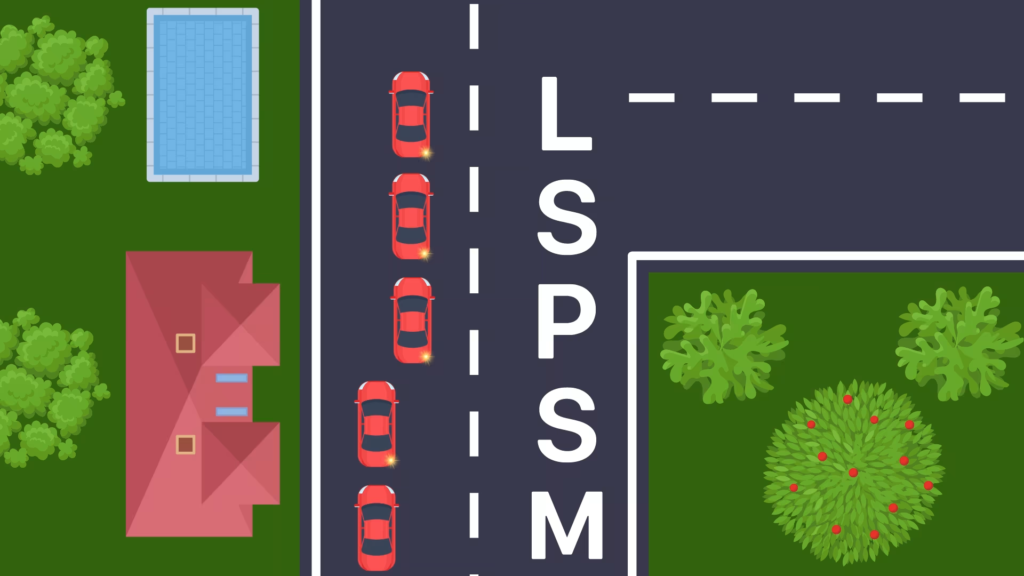
The MSPSL driving system is one of the most important structured routines taught in modern driver education. It stands for Mirror, Signal, Position, Speed, and Look, and it is designed to help drivers make safe, controlled, and predictable decisions on the road. Whether you are a beginner learning to drive for the first time or preparing for your driving test, understanding MSPSL is essential for building confidence and passing with success.
Driving is not just about controlling a vehicle—it is about constant awareness, anticipation, and communication with other road users. MSPSL provides a step-by-step method that ensures drivers do not miss critical safety actions before making any maneuver. By following this routine, learners reduce errors, improve observation skills, and develop safer driving habits that last a lifetime.
Driving examiners also place strong emphasis on structured driving systems like MSPSL because they demonstrate that a learner can think ahead and act responsibly. Instead of random decision-making, drivers follow a logical sequence that improves safety and road discipline.
In this article, we will explore what MSPSL means, break down each step in detail, explain how it is used in real driving situations, and highlight its importance in passing driving tests and becoming a safe driver.
What Is MSPSL?
The term MSPSL stands for Mirror, Signal, Position, Speed, and Look. It is a structured driving routine used to prepare drivers before making any road maneuver such as turning, changing lanes, overtaking, or approaching junctions. Each step plays a specific role in ensuring safe and effective driving decisions.
The main purpose of MSPSL is to create a consistent thinking pattern for drivers. Instead of reacting randomly to road situations, drivers follow a clear sequence that reduces confusion and increases safety. This routine becomes especially important for learner drivers who are still developing their awareness and coordination skills.
MSPSL is widely used in driving schools across many countries because it aligns with official driving test standards. Examiners expect learners to demonstrate safe observation, correct signaling, proper positioning, controlled speed, and final awareness before acting. Following MSPSL helps ensure all these requirements are met naturally during driving.
Another important aspect of MSPSL is that it promotes defensive driving. By constantly checking mirrors, assessing road conditions, and adjusting behavior accordingly, drivers become more aware of potential hazards. This reduces the risk of accidents and improves overall road safety.
Breakdown of Each MSPSL Step
Mirrors
The first step in MSPSL is checking mirrors. This includes rear-view and side mirrors, which help drivers understand what is happening around and behind their vehicle. Mirror checks are essential for maintaining awareness of other vehicles, especially before making any movement.
Regular mirror use allows drivers to identify traffic conditions, approaching vehicles, and potential hazards. It ensures that any action taken is safe and does not endanger other road users. Without proper mirror checks, drivers may miss important information that could lead to accidents.
Signal
The second step is signaling. This involves using indicators to communicate your intentions to other drivers and pedestrians. Signaling is a form of road communication that helps others understand what you are planning to do.
Proper timing is important when signaling. It should be done early enough to inform others but not too early to cause confusion. Clear signaling helps maintain smooth traffic flow and prevents misunderstandings on the road.
Position
Position refers to where the vehicle is placed on the road. Correct positioning is crucial for safety, especially when preparing to turn, overtake, or navigate junctions. Drivers must ensure they are in the correct lane and aligned properly for their intended action.
Good positioning also improves visibility and reduces the risk of collisions. It ensures that the vehicle is in the safest possible place before making a maneuver.
Speed
Speed control is another essential part of MSPSL. Drivers must adjust their speed according to road conditions, traffic flow, and upcoming hazards. Slowing down or accelerating smoothly helps maintain control of the vehicle.
Safe speed management allows drivers more time to react to unexpected situations. It also ensures compliance with speed limits and reduces the risk of accidents.
Look
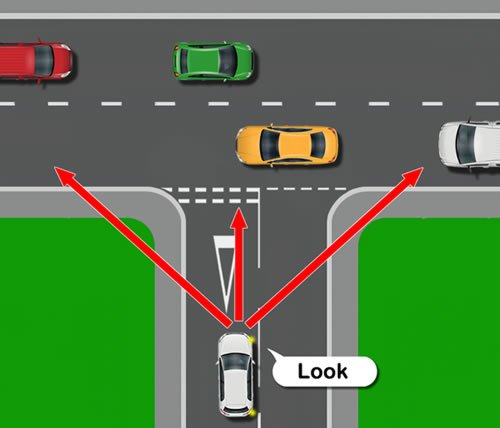
The final step is “Look,” which involves making a final observation before executing the maneuver. This includes checking for pedestrians, cyclists, vehicles, and any potential hazards.
The look step acts as a final safety check. It ensures that the road is clear and that the intended action can be performed safely. This step is especially important at junctions, roundabouts, and crossings.
How MSPSL Is Used in Real Driving Situations
MSPSL is applied in almost every driving situation, especially when approaching junctions. Drivers begin by checking mirrors, signaling their intention, positioning the vehicle correctly, adjusting speed, and finally performing a last check before turning or continuing straight. This structured process ensures safe navigation through complex traffic environments.
At roundabouts, MSPSL becomes even more important. Drivers must observe traffic from multiple directions, signal appropriately, choose the correct lane, control speed, and carefully assess gaps before entering. Without MSPSL, roundabouts can become confusing and dangerous.
When changing lanes or overtaking, MSPSL helps ensure that the maneuver is safe. Mirror checks confirm traffic conditions, signals communicate intent, positioning prepares the vehicle, speed adjustment ensures control, and final observation confirms safety.
Even during simple actions like pulling over or parking, MSPSL is used to maintain safety and awareness. This makes it a universal driving routine applicable to almost every situation on the road.
Benefits of Using MSPSL
One of the biggest benefits of MSPSL is improved road safety. By following a structured routine, drivers reduce the chances of making sudden or unsafe decisions. This leads to fewer accidents and better overall traffic behavior.
MSPSL also builds driving confidence. Beginners often feel nervous, but having a clear step-by-step system helps them feel more in control. This reduces anxiety and improves performance during driving lessons and tests.
Another important benefit is increased driving test success rates. Driving examiners look for structured and safe driving habits, and MSPSL directly matches these expectations. Learners who consistently apply this method are more likely to pass their tests.
Additionally, MSPSL encourages defensive driving. Drivers become more aware of their surroundings and learn to anticipate potential hazards instead of reacting too late.
Common Mistakes Learners Make with MSPSL
One common mistake is skipping steps. Some learners forget to check mirrors or signal properly, which can lead to unsafe driving decisions. Every step in MSPSL is important and must be followed consistently.
Incorrect timing is another issue. Signaling too late or too early can confuse other road users and reduce safety. Timing must be precise and appropriate for each situation.
Poor observation is also a frequent problem. Learners sometimes fail to check blind spots or fully assess their surroundings before acting.
Rushing through the routine is another mistake. MSPSL should be smooth and natural, not hurried. Speeding through steps reduces effectiveness and increases risk.
Tips to Master MSPSL
The best way to master MSPSL is through regular practice in low-traffic areas. This allows learners to focus on technique without pressure from heavy traffic.
Repetition is key. Practicing MSPSL in every driving situation helps turn it into a natural habit.
Staying calm during lessons is also important. Nervousness can cause mistakes, so learners should focus on steady and controlled driving.
Finally, feedback from instructors should always be taken seriously. Continuous improvement helps build strong driving skills over time.
Conclusion
The MSPSL driving system is a fundamental part of safe and structured driving education. It provides a clear and logical method for handling road situations, ensuring that drivers remain aware, controlled, and responsible at all times.
By following Mirror, Signal, Position, Speed, and Look in every driving scenario, learners develop strong habits that improve safety and increase their chances of passing driving tests successfully. More importantly, MSPSL prepares drivers for real-world road conditions where quick thinking and awareness are essential.
Ultimately, mastering MSPSL is not just about passing a test—it is about becoming a confident, skilled, and safe driver for life.
FAQs
What does MSPSL stand for?
MSPSL stands for Mirror, Signal, Position, Speed, and Look.
Why is MSPSL important in driving?
It helps drivers stay safe, organized, and aware while driving.
When should I use MSPSL?
You should use it before any driving action like turning, changing lanes, or stopping.
Is MSPSL used in driving tests?
Yes, it is a key part of most driving test standards.
Can beginners learn MSPSL easily?
Yes, it is simple and becomes natural with regular practice.
What is the most important step in MSPSL?
All steps are important, but observation (“Look”) is critical for safety.
Do all driving schools teach MSPSL?
Most professional driving schools include MSPSL in their training.
How does MSPSL improve safety?
It ensures drivers check surroundings and make safe, controlled decisions.
You May Also Read: BSM Driving School