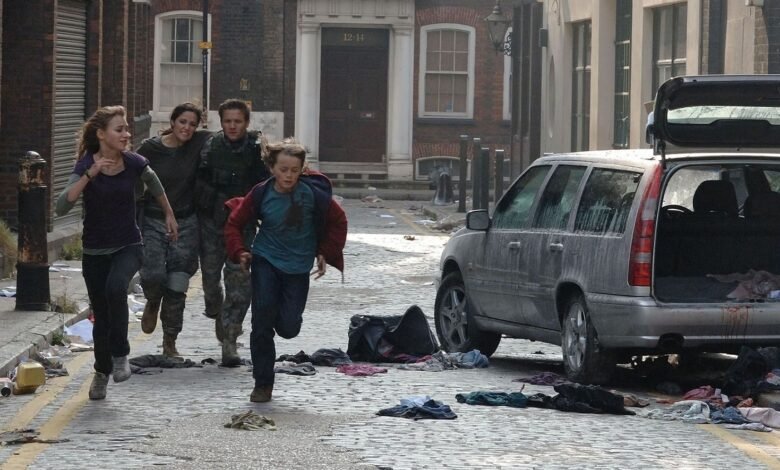
The film 28 Weeks Later Reviews remains one of the most discussed entries in modern horror cinema, continuing to attract attention years after its release. As a sequel to the groundbreaking film 28 Days Later, it expands the terrifying universe of the Rage virus while introducing a more militarized and politically charged narrative. The movie, officially known as 28 Weeks Later Reviews, pushed the zombie genre in a new direction by focusing not only on infection and survival but also on human error, authority, and containment failure.
When the film was first released, expectations were extremely high due to the success of its predecessor. Fans wanted a deeper exploration of the infected world, while critics were eager to see whether the sequel could maintain the emotional intensity and originality of the original film. What followed was a divided response. Some praised its fast-paced horror and visual intensity, while others criticized its character development and narrative structure. Despite this, the film has maintained a strong presence in discussions about modern zombie cinema.
Over time, 28 Weeks Later Reviews has developed a kind of cult reputation. Many viewers now appreciate it more than they initially did, especially for its chaotic atmosphere and realistic depiction of societal collapse. Its ability to provoke debate is one of the reasons it still appears frequently in horror film reviews and rankings today.
Storyline Overview: Chaos After the Rage Virus Outbreak
The story of 28 Weeks Later Reviews takes place after the initial outbreak of the deadly Rage virus has devastated the United Kingdom. The narrative begins with a sense of cautious optimism as military forces attempt to rebuild society in a controlled zone of London. Survivors are slowly reintroduced into a supposedly safe environment, where strict protocols are meant to prevent any return of the infection.
However, this fragile peace quickly collapses when the virus resurfaces. A key turning point in the film is the reintroduction of the infection through human failure rather than external forces. This decision by the filmmakers highlights one of the central themes of the movie: that human mistakes, not just the virus itself, are responsible for the destruction of civilization. As chaos spreads once again, military control breaks down, and the city descends into uncontrollable panic.
The storyline also explores the emotional consequences of survival. Characters are forced to make impossible decisions as they navigate a world where trust, safety, and order no longer exist. Unlike traditional zombie films that focus purely on survival horror, this film blends emotional tragedy with large-scale destruction. This combination adds depth to the narrative, even if some viewers felt that certain plot points moved too quickly or lacked full development.
Horror Elements and Cinematic Style
One of the strongest aspects of 28 Weeks Later Reviews is its intense horror atmosphere. The infected are portrayed as fast, aggressive, and uncontrollable, which creates a constant sense of danger throughout the film. Unlike traditional slow-moving zombies, the Rage-infected individuals move with terrifying speed, making every encounter unpredictable and highly stressful for both characters and viewers.
The cinematography plays a major role in enhancing this sense of fear. The film uses shaky camera movements, dim lighting, and chaotic framing to immerse viewers directly into the panic of each scene. This visual style makes the audience feel as though they are inside the outbreak rather than simply observing it. The destruction of London is especially impactful, showing empty streets, burning buildings, and military zones collapsing under pressure.
Sound design also contributes significantly to the horror experience. Sudden silence is often followed by explosive moments of violence, creating a rhythm of tension and release that keeps viewers on edge. Combined with graphic depictions of infection and violence, the film successfully maintains a constant atmosphere of unease. While some critics argued that the focus on action sometimes overshadowed deeper storytelling, many horror fans appreciated the intensity and realism it brought to the genre.
Character Analysis and Performances
The characters in 28 Weeks Later Reviews play a crucial role in driving the emotional weight of the story, even though some reviews pointed out that character development could have been stronger. The film focuses on individuals caught in extreme circumstances, where survival often conflicts with moral decision-making. Family relationships, in particular, form the emotional core of the narrative, adding personal stakes to the larger outbreak scenario.
Military characters are also central to the story, representing authority and control in a collapsing environment. However, as the situation worsens, their decisions become increasingly questionable, highlighting the theme of flawed leadership during crises. This moral complexity adds depth to the film, showing that danger comes not only from the infected but also from human actions.
Performance-wise, the cast delivers strong portrayals of fear, desperation, and emotional conflict. While some critics felt that certain characters lacked development due to the film’s fast pacing, others appreciated the raw intensity of the performances. The emotional reactions of characters during key scenes help ground the chaos, making the outbreak feel more personal and tragic.
Critical Reviews vs Audience Reactions
When 28 Weeks Later Reviews was released, critical reception was mixed. Many reviewers praised its visual style, fast-paced action, and intense horror sequences. The film was often recognized for successfully expanding the universe established by its predecessor. However, criticism was directed toward its narrative structure and lack of deep character exploration compared to the original film.
Audiences, on the other hand, responded more positively to the film’s energy and intensity. Many viewers appreciated the non-stop tension and unpredictable storyline. Over time, audience perception has become more favorable, especially among horror enthusiasts who value fast-paced, high-stakes storytelling. This shift in opinion has helped the film gain cult status within the zombie genre.
Today, discussions around 28 Weeks Later Reviews often highlight this divide between critical analysis and audience enjoyment. While it may not be considered a perfect sequel, it remains an important and influential film that continues to shape expectations for modern outbreak and zombie cinema.
Conclusion: Why 28 Weeks Later Remains a Powerful Sequel
28 Weeks Later Reviews continues to hold a significant place in horror cinema due to its intense storytelling, unique visual style, and emotional themes. Despite receiving mixed reviews at the time of release, its impact has grown over the years as audiences have come to appreciate its chaotic energy and bold approach to storytelling. The film successfully expands the Rage virus universe while exploring deeper questions about human responsibility and survival.
Ultimately, 28 Weeks Later Reviews stands as a powerful reminder that in outbreak narratives, the greatest threat is not always the virus itself, but human error and emotional conflict. Its lasting influence on the zombie genre ensures that it remains a key reference point for filmmakers and fans alike.
FAQs
Is 28 Weeks Later Reviews better than 28 Days Later?
Opinions are divided. 28 Weeks Later Reviews is faster and more action-driven, while 28 Days Later focuses more on emotional storytelling.
What is 28 Weeks Later Reviews about?
It follows the aftermath of a Rage virus outbreak as survivors attempt to rebuild society, only for the virus to resurface.
Is 28 Weeks Later Reviews scary?
Yes, it is known for intense horror scenes, fast-moving infected, and high-tension survival sequences.
Do I need to watch 28 Days Later first?
It is not required, but watching it helps provide context for the outbreak and virus origins.
Why did 28 Weeks Later get mixed reviews?
Critics praised its visuals and intensity but criticized its character development and narrative depth.
Will there be another sequel?
There have been ongoing discussions and fan interest, but no confirmed official sequel has been released yet.
You May Also Read: Valentine’s Day Gifts