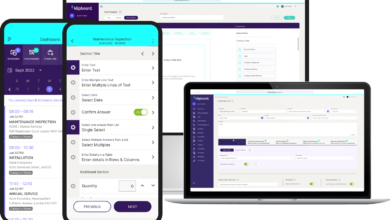
In today’s fast-paced and highly regulated business environment, workplace safety is no longer optional—it is a necessity. Organizations across industries are under constant pressure to identify hazards, reduce risks, and comply with strict safety regulations. This is where risk assessment apps are transforming the way businesses operate. These digital tools are designed to simplify the process of identifying, evaluating, and controlling workplace risks in real time.
Traditionally, risk assessments were carried out using paper forms, spreadsheets, and manual inspections. While these methods worked in the past, they are often slow, error-prone, and difficult to manage at scale. Risk assessment apps eliminate these challenges by digitizing the entire process, allowing teams to record hazards instantly, generate reports automatically, and share data across departments with ease.
Modern risk assessment apps are not just about convenience—they represent a shift toward smarter safety culture. By integrating mobile access, cloud storage, and automated workflows, these tools empower businesses to respond to risks faster and more effectively than ever before. Whether in construction, healthcare, manufacturing, or logistics, these apps are becoming essential for operational safety and compliance.
Importance of Risk Assessment in Today’s Work Environment
Workplace hazards exist in every industry, from physical dangers on construction sites to data security risks in office environments. The primary purpose of risk assessment is to identify these threats before they cause harm. Without a structured system in place, organizations may struggle to maintain consistent safety standards, leading to accidents, financial losses, and legal consequences.
In many regions, regulatory bodies require businesses to conduct regular risk assessments and maintain detailed records. Failure to comply can result in penalties, lawsuits, or even shutdowns. This makes risk management not only a safety concern but also a legal obligation. Risk assessment apps help organizations meet these requirements by providing built-in compliance tools, automated documentation, and audit-ready reports.
Beyond compliance, risk assessment plays a critical role in building a proactive safety culture. When employees are encouraged to identify and report hazards in real time, organizations can prevent incidents before they escalate. This shift from reactive to proactive safety management significantly reduces workplace injuries and improves overall productivity.
Key Features of Risk Assessment Apps
One of the main reasons businesses are adopting risk assessment apps is their powerful feature set. These tools are designed to simplify complex safety processes and make risk management more efficient and accurate.
A core feature is hazard identification and reporting. Employees can instantly record risks using their mobile devices, often including photos, videos, and detailed notes. This real-time reporting ensures that hazards are not overlooked or delayed in communication.
Another important feature is automated risk scoring. The app evaluates the severity and likelihood of each risk and assigns a priority level. This helps safety managers focus on the most critical issues first, improving decision-making and resource allocation.
Many apps also include customizable templates and checklists tailored to specific industries. Whether it’s a construction site inspection or a hospital safety audit, these templates ensure consistency and compliance with industry standards.
Cloud-based storage is another major advantage. All risk data is stored securely online, making it accessible from anywhere. This is particularly useful for organizations with multiple locations or remote teams.
Finally, integration capabilities allow risk assessment apps to connect with other systems such as HR software, project management tools, and compliance platforms. This creates a seamless workflow across the entire organization.
Benefits of Using Risk Assessment Apps
The adoption of risk assessment apps brings a wide range of benefits that go beyond simple digital convenience. One of the most significant advantages is improved workplace safety. By enabling real-time hazard reporting and faster response times, these apps help reduce the likelihood of accidents and injuries.
Time efficiency is another major benefit. Manual paperwork and repetitive administrative tasks are eliminated, allowing safety teams to focus more on analysis and prevention rather than documentation. Automated reporting also reduces human error, ensuring more accurate records.
From a management perspective, risk assessment apps provide valuable data insights. Decision-makers can analyze trends, identify recurring hazards, and implement long-term safety improvements based on real evidence. This data-driven approach leads to smarter and more strategic risk management.
Collaboration is also enhanced through these tools. Teams across different departments and locations can share updates instantly, ensuring everyone is aligned on safety procedures. This improves communication and accountability across the organization.
Additionally, businesses benefit financially by reducing accident-related costs, insurance claims, and downtime. A strong safety record can also improve reputation and employee satisfaction, making the workplace more attractive and productive.
How to Choose the Right Risk Assessment App
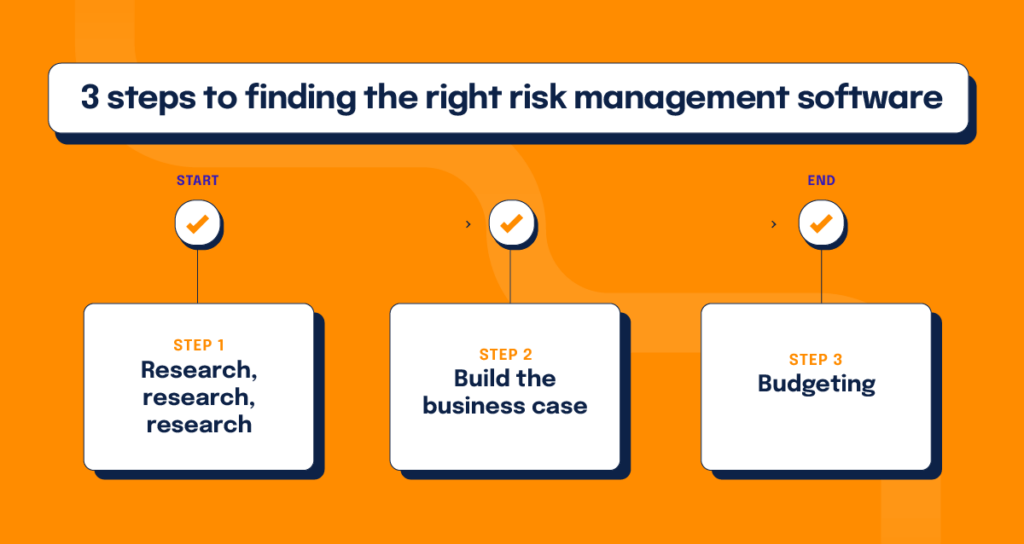
Selecting the right risk assessment app requires careful consideration of several factors. Every organization has unique needs, so it is important to evaluate how well a tool aligns with your specific requirements.
First, consider the size and nature of your business. A small company may need a simple, user-friendly app, while larger enterprises may require advanced features such as multi-site management and detailed analytics.
Ease of use is another important factor. The best apps are intuitive and require minimal training, allowing employees to adopt them quickly without disrupting workflows. Mobile compatibility is also essential, especially for industries where workers are frequently on-site.
Security should never be overlooked. Since risk assessment apps store sensitive safety and operational data, strong encryption and compliance with data protection standards are critical.
Scalability is equally important. As your business grows, your risk management needs will evolve. A good app should be able to expand its features and capacity accordingly.
Finally, consider customer support and pricing. Reliable technical support ensures smooth implementation, while flexible pricing plans help businesses choose a solution that fits their budget.
Future Trends in Risk Assessment Technology
The future of risk assessment apps is closely tied to advancements in technology. Artificial intelligence is expected to play a major role in predicting risks before they occur. By analyzing historical data, AI can identify patterns and suggest preventive measures.
The integration of Internet of Things (IoT) devices is another emerging trend. Sensors placed in workplaces can detect environmental changes such as temperature, gas leaks, or equipment malfunctions and send alerts directly to risk assessment apps in real time.
Predictive analytics is also becoming more sophisticated, allowing organizations to move from reactive safety measures to fully proactive risk prevention strategies. This will significantly reduce workplace incidents in the future.
Wearable technology is another innovation gaining traction. Smart helmets, vests, and watches can monitor worker health and safety conditions, feeding data directly into risk management systems.
As these technologies evolve, risk assessment apps will become even more intelligent, automated, and essential for modern workplace safety.
Conclusion
Risk management is a critical part of every successful organization, and digital transformation has made it more efficient than ever before. Risk assessment apps are reshaping how businesses identify hazards, manage compliance, and protect employees. By replacing outdated manual systems with intelligent, data-driven solutions, companies can significantly improve safety outcomes while reducing costs and inefficiencies.
As industries continue to evolve, adopting the right risk assessment app is no longer just an advantage—it is a necessity. Organizations that invest in these tools today are building safer, smarter, and more resilient workplaces for the future.
Frequently Asked Questions (FAQs)
What are risk assessment apps used for?
They are used to identify, evaluate, and manage workplace hazards digitally in real time.
Are risk assessment apps suitable for small businesses?
Yes, many apps are designed with scalable features suitable for both small and large organizations.
Do risk assessment apps work offline?
Some apps offer offline functionality, allowing users to record data without internet access and sync later.
How secure is the data in risk assessment apps?
Most apps use encryption and cloud security protocols to protect sensitive safety data.
Can risk assessment apps replace safety officers?
No, they support safety officers by improving efficiency but do not replace human judgment and oversight.
Which industries benefit most from these apps?
Industries like construction, manufacturing, healthcare, energy, and logistics benefit the most due to higher risk levels.
You May Also Read: RiskProof App