Valentine’s Day remains one of the most emotionally significant celebrations of love worldwide, known as Valentine’s Day. While modern communication has shifted heavily toward digital messages, Valentine’s Day cards continue to hold a timeless emotional value that texts and social media posts often cannot replicate. A physical card represents effort, thoughtfulness, and intention—qualities that make romantic gestures feel more genuine and lasting.
In a world dominated by instant messaging, taking time to write and give a card feels personal and meaningful. Unlike digital notes that are quickly read and forgotten, a card can be kept, revisited, and cherished for years. This emotional permanence is one of the reasons Valentine’s Day cards remain popular across generations.
The tradition of exchanging cards has also evolved. Today, people combine handwritten messages with creative designs, personalized photos, and artistic elements. Whether simple or elaborate, the essence of a Valentine’s card lies in expressing emotions that are sometimes difficult to say out loud. This blend of tradition and creativity keeps Valentine’s cards relevant even in a fast-paced digital era.
Types of Valentine’s Day Cards and Their Meanings
Valentine’s Day cards come in many styles, each serving a different emotional purpose. Romantic cards are the most traditional and are designed for partners, spouses, or long-term relationships. These cards often include heartfelt messages, love quotes, and emotional expressions that strengthen romantic bonds.
Cute and playful cards are popular among younger couples or new relationships. These designs usually include lighthearted messages, jokes, or charming illustrations that create a fun and relaxed romantic tone. They help express affection without overwhelming emotional intensity.
Funny Valentine’s Day cards are perfect for couples who enjoy humor in their relationship. These cards often include witty lines or playful sarcasm, making the celebration enjoyable and entertaining. Friendship cards are also gaining popularity, allowing people to celebrate platonic love and appreciation.
There are also premium luxury cards designed with high-quality materials, embossing, and artistic finishes. Additionally, digital Valentine’s cards have become popular due to convenience, especially for long-distance relationships. Each type serves a unique emotional purpose, making Valentine’s Day greetings more versatile than ever.
How to Write the Perfect Message in a Valentine’s Day Card
Writing the perfect message is the heart of any Valentine’s Day card. A meaningful message transforms a simple card into a treasured memory. The key is to keep the message personal, sincere, and emotionally honest rather than overly complicated or generic.
Romantic messages should reflect genuine feelings. Instead of using overused phrases, it is more impactful to mention specific memories, shared experiences, or personal qualities you admire. This makes the message feel authentic and deeply connected to your relationship.
For example, instead of saying “I love you,” you might write about a moment that made you realize how important the person is in your life. This emotional depth creates a stronger impact and makes the card more memorable.
Short love quotes or simple poetic lines can also enhance the message. However, the most powerful cards are those that sound natural and heartfelt rather than overly formal. Writing in your own voice ensures that the message feels real and meaningful.
Ultimately, the best Valentine’s messages are not perfect—they are personal, emotional, and sincere.
Creative Valentine’s Day Card Design Ideas
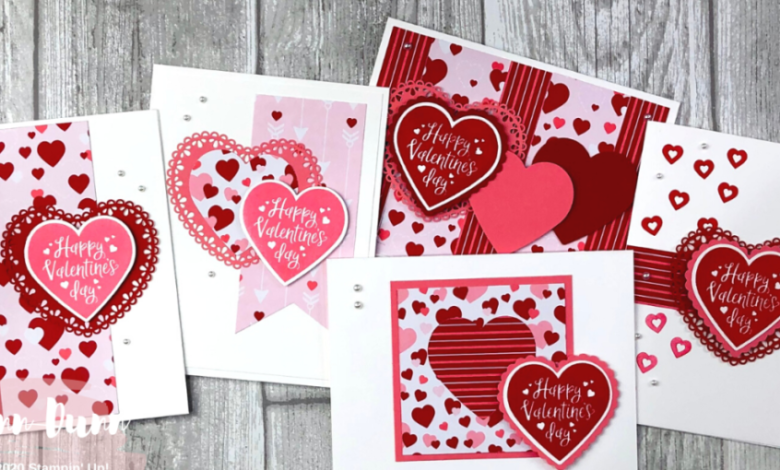
Design plays a major role in making Valentine’s Day cards visually appealing and emotionally impactful. Modern card designs range from minimalist styles to highly creative artistic expressions. Minimalist designs focus on clean layouts, soft colors, and simple typography, offering elegance and sophistication.
Photo-based cards are also extremely popular, especially among couples who want to include personal memories. These designs often feature shared photos, travel moments, or milestone celebrations, making the card more sentimental.
Pop-up and 3D cards add a playful and surprising element. When opened, they reveal layered designs, hearts, or romantic scenes that create a memorable experience. Scrapbook-style cards are another creative option, combining pictures, notes, and decorations into a personalized keepsake.
Color psychology also plays an important role in design. Red symbolizes passion, pink represents affection, and gold adds luxury and elegance. These visual elements help reinforce the emotional message of the card.
Modern trends also include digital design tools that allow users to create customized layouts, blending traditional and contemporary styles in unique ways.
DIY Valentine’s Day Cards: Step-by-Step Inspiration
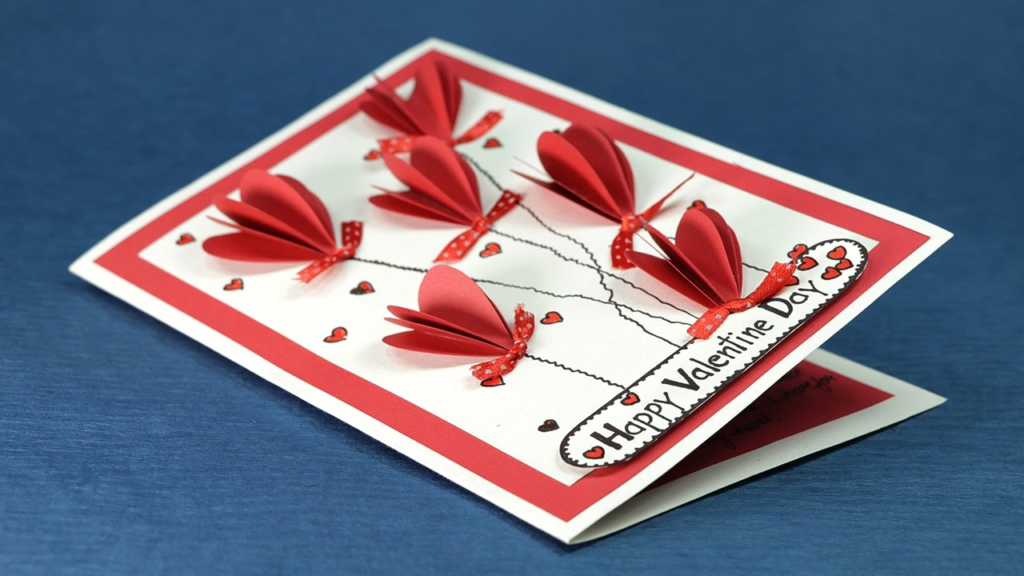
DIY Valentine’s Day cards are one of the most meaningful ways to express love because they require time, effort, and creativity. Handmade cards often carry more emotional value than store-bought ones because they reflect personal dedication.
To create a DIY card, basic materials such as paper, glue, markers, stickers, and decorative items are enough to get started. Even simple designs can become special when combined with thoughtful messages and personal touches.
Beginners can start with folded paper cards decorated with drawings, handwritten notes, or printed images. More advanced designs may include layered textures, cut-out shapes, or pop-up elements. The key is not perfection, but sincerity.
Eco-friendly DIY cards are also gaining popularity. Using recycled paper or natural materials adds an environmentally conscious touch while maintaining creativity.
DIY cards allow complete freedom of expression, making them one of the most emotionally powerful Valentine’s Day gifts.
Personalized Valentine’s Day Cards for a Special Touch
Personalization transforms ordinary Valentine’s Day cards into unique emotional keepsakes. Adding names, photos, or custom messages makes the card feel specifically designed for the recipient.
Many people include inside jokes, shared memories, or meaningful dates to make the card more personal. These small details create emotional depth and strengthen connection.
Digital personalization tools also allow users to design custom illustrations or layouts. However, handwritten notes often remain the most emotionally powerful form of personalization.
Personalized cards are especially meaningful because they cannot be replicated. They reflect effort, thought, and emotional investment, making them highly valued by recipients.
Romantic Gift Pairing with Valentine’s Day Cards
Valentine’s Day cards become even more special when paired with thoughtful gifts. Common combinations include flowers, chocolates, and small sentimental items. These pairings enhance the emotional experience and create a complete romantic gesture.
Experience-based gifts, such as dinners or trips, can also be introduced through a card message. This adds excitement and anticipation to the celebration.
Budget-friendly options, such as handwritten notes combined with small keepsakes, can be just as meaningful as luxury gifts. The emotional intention behind the gesture matters more than the cost.
A well-paired card and gift combination creates a memorable and heartfelt Valentine’s experience.
Conclusion: The Lasting Power of Valentine’s Day Cards
Valentine’s Day cards remain one of the most meaningful expressions of love and affection. As part of Valentine’s Day, they continue to evolve while preserving their emotional essence. Whether handwritten, printed, or digital, the purpose remains the same—to communicate love in a personal and lasting way.
In a world of fast communication, a thoughtfully written card stands out as a timeless symbol of care, effort, and emotional connection. It is not the design or cost that matters most, but the sincerity behind the message.
FAQs
Why are Valentine’s Day cards important?
They express emotions in a personal and lasting way that digital messages often cannot.
What should I write in a Valentine’s Day card?
Write heartfelt, personal messages that reflect your relationship and shared memories.
Are handmade cards better than store-bought ones?
Yes, handmade cards often feel more personal and emotionally meaningful.
Can I use digital Valentine’s Day cards?
Yes, digital cards are convenient and popular, especially for long-distance relationships.
What makes a Valentine’s card special?
Personalization, emotional sincerity, and thoughtful design make it special.
Do Valentine’s cards need to be expensive?
No, the emotional value matters far more than cost or luxury.
You May Also Read: Gillian Anderson Children